


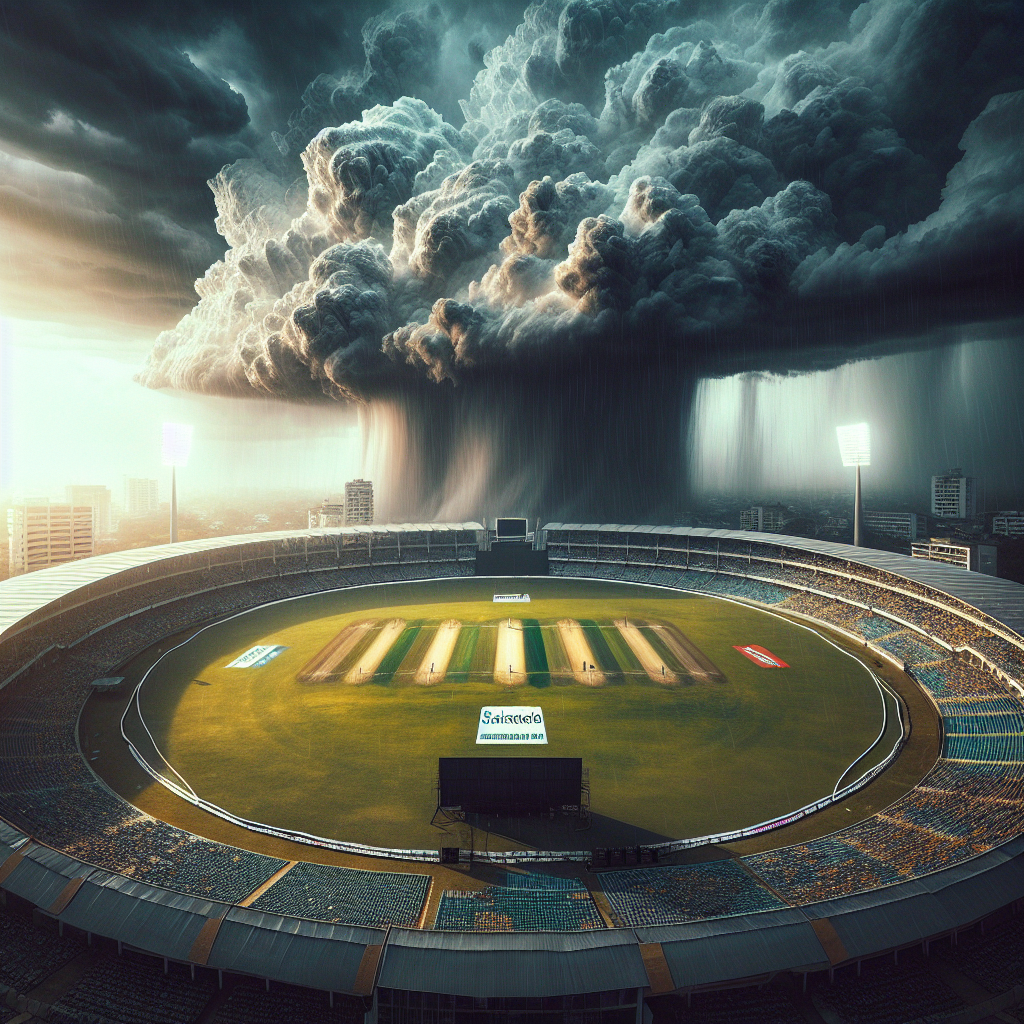
Cricket enthusiasts worldwide are bracing for a tense wait as the highly anticipated ICC Men’s T20 World Cup 2026 clash between Pakistan and Namibia in Colombo faces a significant threat from adverse weather. Scheduled for Wednesday, February 18, at the iconic Sinhalese Sports Club (SSC), the crucial encounter hangs in the balance with hourly weather forecasts indicating a strong likelihood of rain, potentially disrupting a game vital for both teams’ tournament aspirations.
The Weather’s Unpredictable Hand Over Colombo
The city of Colombo, known for its tropical climate, often experiences unpredictable weather patterns, and this particular Wednesday appears to be no exception. While cricket boards and organizing committees always hope for clear skies, the current outlook suggests that precipitation could play a spoiler, leading to frustrating delays, reduced overs, or even a complete washout. For fans making their way to the SSC, and for millions watching globally, the hourly updates on the weather will be as crucial as the match itself. Such disruptions not only affect the flow of the game but also add an element of chance, where outcomes can be heavily influenced by the Duckworth-Lewis-Stern (DLS) method, a scenario no team particularly relishes in a high-stakes World Cup.
Stakes Are Sky-High for Pakistan
For Pakistan, led by Salman Ali Agha, this fixture against Namibia carries immense pressure, particularly after what the original snippet describes as a “crushing defeat against India.” A win is paramount for them to regain momentum and solidify their position in the tournament. Pakistan’s rich history in T20 World Cups includes a title victory in 2009 and several strong finishes, making their current position precarious. A washout or a loss here could severely jeopardize their progression, adding further woes to an already challenging campaign. The team will be desperate to get a full game in to showcase their talent and make a strong statement of intent, moving past their previous disappointment.
Namibia’s Quest for a Landmark Upset
On the other side, Namibia, often considered an underdog, approaches this game with a different set of aspirations. For associate nations like Namibia, every World Cup appearance is an opportunity to prove their mettle against the sport’s giants. Their journey in international cricket has been one of steady growth and occasional upsets, and facing a team of Pakistan’s caliber on a global stage is invaluable experience. While a washout would prevent a potential heavy defeat, it would also deny them a shot at a historic upset, a moment that could significantly boost cricket’s profile in their nation. Their players will undoubtedly be eager to take to the field, regardless of the opponent’s stature, to display their improving skills.
The Broader Impact of Rain-Affected Matches
The specter of rain in major cricket tournaments is a recurring theme, often leading to dramatic shifts in group standings and affecting team morale. Historically, weather interventions have altered the course of several ICC events, creating memorable, albeit sometimes controversial, moments. Beyond the immediate match outcome, a rain-affected game has broader implications for broadcasting schedules, fan engagement, and even the local economy of the host city. Hotels, local businesses, and vendors around the SSC rely on the influx of fans. A washout not only disappoints spectators but also represents a missed opportunity for the entire cricketing ecosystem in Colombo.
Why This Matters to Every Cricket Follower
For the average cricket follower, the weather forecast isn’t just a trivial detail; it’s a critical piece of information that dictates their engagement. Whether it’s planning their day around live telecasts, adjusting fantasy league teams, or simply anticipating the thrill of a competitive match, the threat of rain introduces an unwelcome layer of uncertainty. The emotional investment in a World Cup game is immense, and any factor that might curtail the action directly impacts the fan experience. Every eye, therefore, will be glued not just to the pitch, but to the skies above Colombo, hoping for a window of opportunity for a full and fair contest between Pakistan and Namibia.