


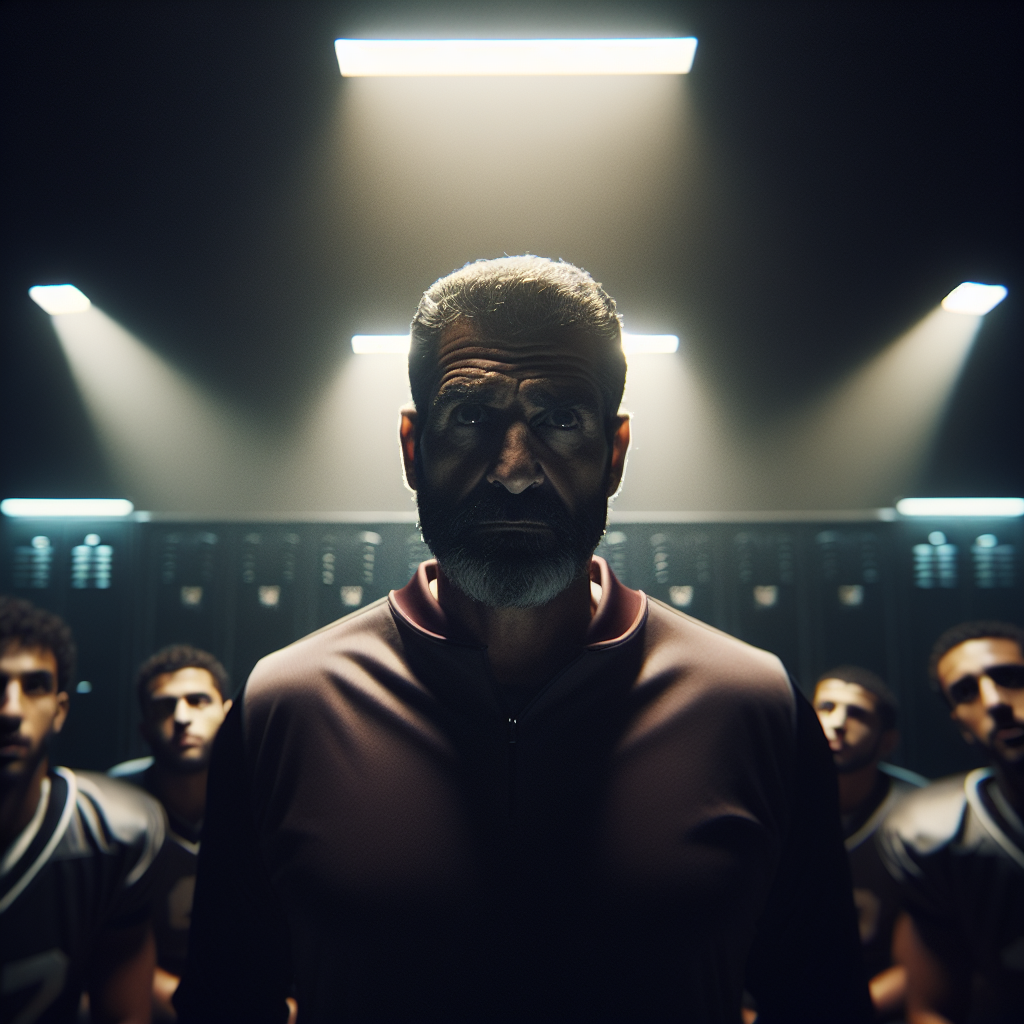
New England Patriots head coach Mike Vrabel is facing growing scrutiny after reports suggested he may need to address recent controversy involving sports reporter Dianna Russini directly with his players. The issue has gained traction after photos circulated appearing to show Vrabel and Russini together at an adults-only resort in Arizona, turning what may have been a private matter into a public story with potential consequences inside an NFL locker room.
According to the source material, a former NFL player has indicated that Vrabel will have little choice but to provide “answers” to his team. That assessment reflects a long-standing reality in professional football: when a head coach becomes the center of an off-field storm, the story rarely stays outside the building for long. In a league where leadership, discipline, and credibility are central to daily operations, any controversy involving the top decision-maker can quickly become a workplace issue.
Why the Patriots Locker Room Could Be Affected
The Patriots are one of the NFL’s most heavily scrutinized franchises, and that attention does not disappear when the team is between major competitive milestones. In fact, it often intensifies around leadership. A head coach is expected not only to set strategy and culture but also to embody the standards the organization wants players to follow. If athletes believe distractions are undermining that message, internal questions can emerge even when no formal team action is taken.
That is why this story matters beyond celebrity intrigue. NFL locker rooms are highly sensitive environments built on trust, hierarchy, and consistency. Players are asked to answer for mistakes, missed assignments, and off-field choices. When a coach becomes the subject of tabloid-level attention, some players may naturally wonder whether the same standard of accountability applies at the top. Even if the matter has no direct bearing on football operations, perception can matter almost as much as reality in a professional sports setting.
Vrabel’s Reputation and the Weight of Expectations
Vrabel entered the Patriots job with a strong football reputation. He is widely known around the league as a former player who brought toughness and structure into his coaching career. That background helped shape his public image as a no-nonsense leader, the kind of coach who values preparation and emotional control. Because of that image, any personal controversy can draw even sharper reaction. The bigger the reputation for discipline, the louder the noise when personal headlines appear to clash with it.
For New England, the situation arrives at a delicate time. The franchise is still operating under the long shadow of its modern dynasty years, when the Patriots became synonymous with organizational order, relentless messaging, and tightly controlled distractions. Any episode that threatens that image is likely to be amplified by both local and national media, especially because the Patriots remain one of the most recognizable brands in American sports.
Media, Privacy, and the Modern NFL
This episode also highlights the blurred line between private conduct and public consequence in the social media era. Coaches, players, and media figures now operate in an environment where images can spread globally within minutes, often well before full context is known. That creates a new kind of pressure for teams, who must manage not only internal morale but also the external narratives that can shape fan reaction and sponsor perceptions.
For readers, the broader significance lies in how modern sports leadership is judged. Winning and losing still matter most, but public credibility increasingly affects how leaders are perceived by players, owners, and supporters. Stories like this resonate because they sit at the intersection of power, image, and accountability. They also reveal how quickly a franchise’s football conversation can be overtaken by questions about conduct and professionalism.
What Comes Next
At this stage, the biggest question is whether Vrabel chooses to address the matter proactively or lets it fade on its own. In many NFL settings, silence can work if players feel the issue is irrelevant to the team’s mission. In others, a brief internal acknowledgment can prevent speculation from growing. Much depends on how strongly the story has penetrated the locker room and whether players feel it affects the authority of the head coach.
Either way, the controversy is a reminder that in the NFL, the head coach is never just a tactician. He is also the face of the organization, the custodian of its values, and often the first person expected to restore calm when distractions emerge. If Patriots players are indeed looking for answers, the real test for Vrabel may be less about public relations and more about whether he can preserve trust where it matters most: inside the team facility.