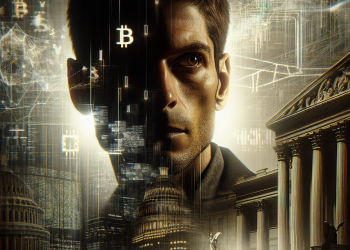


In a striking illustration of how modern politics continues to intersect with the digital frontier, former President Donald Trump recently hosted winners of his second annual meme coin contest at his Mar-a-Lago club in Palm Beach, Florida. The event, held on Saturday, offered top buyers of his associated cryptocurrency, $TRUMP, an exclusive audience with the former commander-in-chief, even as the token’s market value has plummeted by more than 95% from its peak valuation last year.
The Mar-a-Lago Gathering: A Confluence of Worlds
The gathering at Mar-a-Lago represents a unique convergence of political celebrity, fervent digital asset enthusiasts, and the speculative world of meme coins. For attendees, it was a rare opportunity to meet a prominent political figure, fueled by their investment in a digital token bearing his name. Such direct engagement, often bypassing traditional political channels, underscores a growing trend in how public figures leverage new technologies to connect with their base and explore unconventional avenues for fundraising and community building.
The Rise of Political Meme Coins and the $TRUMP Token
Meme coins are a class of cryptocurrencies typically characterized by their highly speculative nature, often deriving value from internet memes, social media trends, or community enthusiasm rather than intrinsic utility. Popularized by tokens like Dogecoin and Shiba Inu, the phenomenon has expanded to include assets linked to personalities, sports teams, and even political figures. Donald Trump is not new to the digital asset space, having previously launched a series of NFTs (Non-Fungible Tokens). The $TRUMP token, however, delves directly into the volatile realm of meme coins, allowing supporters to effectively "invest" in a digital representation of his brand.
The Volatility Factor: A Cautionary Tale
The steep decline of the $TRUMP token – a fall of over 95% from its highest point – serves as a stark reminder of the inherent risks associated with meme coins. These assets are notoriously volatile, subject to rapid and dramatic price swings driven by market sentiment, social media buzz, and large-scale trading rather than fundamental economic indicators. While some early investors may realize significant gains, many others face substantial losses, highlighting the highly speculative and often unregulated nature of this corner of the cryptocurrency market. The situation at Mar-a-Lago, where investors who purchased the token at or near its peak were granted access, brings this financial reality into sharp focus.
Broader Implications: Politics, Finance, and the Future
This event carries significant implications beyond the immediate interaction between a former president and his crypto-investing supporters. Firstly, it signals a continued willingness by political figures to explore novel methods of engagement and, potentially, campaign financing, blurring the lines between political activism and financial speculation. Secondly, it further mainstreams cryptocurrencies, even the more speculative varieties, by associating them with high-profile individuals, potentially encouraging broader public participation without necessarily conveying the associated risks. Thirdly, it raises questions for financial regulators and policymakers regarding consumer protection and market integrity in an evolving digital landscape where political brands can be tokenized and traded. As digital assets become increasingly integrated into public life, such events underscore the need for greater transparency, investor education, and a robust regulatory framework to navigate the opportunities and perils alike.
The Mar-a-Lago gathering, therefore, is more than just a political photo opportunity; it is a significant cultural marker, illustrating the dynamic and often unpredictable intersection of politics, digital finance, and internet culture in the 21st century.