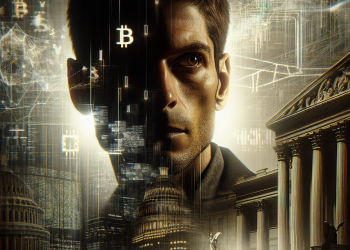


A high-profile dispute involving crypto entrepreneur Justin Sun, a Trump-affiliated digital asset project and an unresolved fraud case has become one of the more revealing financial dramas of the post-election period in America. The outline is extraordinary even by the standards of the cryptocurrency world: a wealthy investor facing serious allegations in one arena then moves to buy tens of millions of dollars in tokens from a venture tied to Donald Trump shortly after the 2024 election. The episode has prompted fresh questions about influence, regulation and the increasingly porous border between politics and speculative finance.
According to the source material, the legal case against Mr Sun was described as substantial, though it had not been litigated by November 2024. Then, less than three weeks after Mr Trump won the election, Mr Sun began purchasing roughly $75 million worth of tokens from World Liberty Financial, or WLFI, a crypto project associated with Trump. That sequence alone is enough to make the matter politically explosive, because it places unresolved legal and financial controversy alongside a business venture linked to the incoming president.
The collision of politics and crypto
Cryptocurrency has long advertised itself as a decentralized alternative to traditional finance, beyond the reach of old institutions and gatekeepers. In practice, however, the sector has repeatedly gravitated toward celebrity, political branding and opaque insider relationships. From the boom years of lightly scrutinized token launches to the collapses of major exchanges and lending platforms, the industry has shown how easily technological idealism can coexist with aggressive speculation and weak accountability.
That makes a Trump-linked crypto project especially significant. Mr Trump, once skeptical of digital assets, has more recently become associated with crypto ventures and communities that see political opportunity in a friendlier regulatory environment. For supporters, such projects signal mainstream acceptance. For critics, they risk turning financial products into channels for political patronage, branding and possible conflicts of interest.
Why the Sun allegations matter
Justin Sun is no stranger to publicity or controversy. He has been one of the most visible figures in global crypto, known for ambitious dealmaking, exchange activity and a talent for remaining at the center of the conversation. When someone of that profile becomes entangled in allegations of fraud or market misconduct, the issue is not merely personal. It becomes a test of whether laws, regulators and courts can keep pace with a borderless industry where money moves quickly and reputations are often monetized faster than facts can be established.
The unresolved nature of the case referenced in the source material is crucial. In the absence of litigation or final judgment, allegations remain allegations. But large token purchases tied to a politically connected enterprise can still create the appearance of strategic alignment, influence-seeking or reputational laundering. Even without proving any improper conduct, the optics are powerful and potentially damaging.
Broader implications for markets and governance
The wider consequences extend beyond one investor or one token sale. If political figures and their associates become directly linked to crypto ventures, regulators may face greater pressure to clarify how securities law, campaign ethics, disclosure rules and conflict-of-interest standards apply in the digital asset space. Internationally, the case may reinforce concerns that the United States, despite its sophisticated financial oversight, still offers room for politically adjacent ventures to raise money in ways that remain difficult for ordinary investors to evaluate.
For retail participants, this matters because crypto markets often trade on narrative as much as on fundamentals. A presidential connection can attract buyers who assume access, legitimacy or future regulatory favor. Yet history shows that branding does not remove risk. Token prices can collapse, legal exposure can spread quickly and projects wrapped in prestige can unravel just as dramatically as obscure ones.
A story larger than its spectacle
What makes this episode important is not just its flamboyance, though it has plenty of that. It is the way it captures several defining features of the 2020s: celebrity finance, political monetization, legal ambiguity and the persistent ability of crypto to turn public life into a speculative theater. For readers, the lesson is straightforward. Whenever money, power and weak transparency converge, the real story is rarely limited to the individuals involved. It is about the systems that allow such arrangements to flourish.
Whether the case against Mr Sun proceeds, fades or transforms into something else, the underlying questions will remain. How should democracies handle financial ventures tied to powerful politicians? What safeguards should apply when contested wealth enters politically resonant markets? And how many times can the crypto industry present itself as the future before being forced to answer for the conduct of its most visible players?