

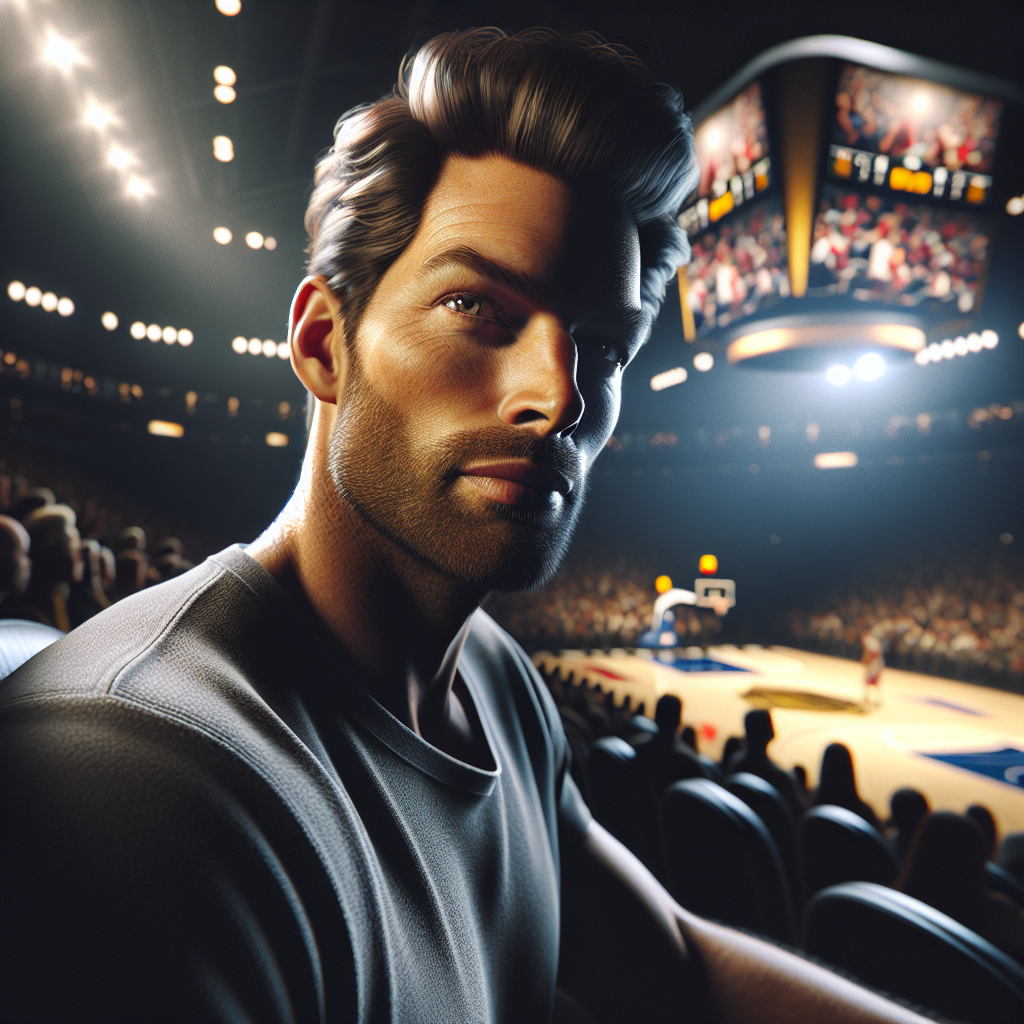
Dillon Brooks found a new way to make himself part of the story Monday night, even without being on the floor. As the Los Angeles Lakers faced elimination at home while trailing 0-3 in the Western Conference Finals against the Oklahoma City Thunder, Brooks was spotted sitting courtside at Crypto.com Arena, turning a high-stakes playoff game into the latest chapter of his long-running antagonism with LeBron James.
The scene was hard to miss. With the Lakers battling to keep their season alive, Brooks’ presence read as more than casual celebrity attendance. It looked like a deliberate act of trolling aimed at James, a player Brooks has tried to needle for years. In a league where rivalries often play out through interviews, social media posts and playoff matchups, simply showing up in that setting was enough to send a message.
A Rivalry That Has Outlived the Series
Brooks has built much of his public image around confrontation. During his time as one of the NBA’s most outspoken defenders, he repeatedly targeted star players and rarely shied away from verbal sparring. James, as one of the most scrutinized athletes in the world, naturally became one of Brooks’ biggest targets. Their feud drew widespread attention during previous postseason meetings, when Brooks openly challenged James and embraced the villain role that has followed him around the league.
That history is what made his courtside appearance resonate beyond a simple celebrity sighting. Brooks was not just another basketball figure taking in a playoff game. He was a familiar agitator appearing at a moment of maximum pressure for a franchise led by one of the sport’s defining icons.
Why the Moment Landed
The Lakers entered the night in a dire position, down 0-3 and trying to avoid a sweep. In that context, every detail around the game carried extra weight. A courtside appearance by Brooks instantly became part of the spectacle because it fit so neatly with the NBA’s culture of grudges, pettiness and performance. The modern league is not driven only by box scores and highlights. It is also powered by personality, and Brooks has become one of the clearest examples of that reality.
For fans, the image worked on multiple levels. To Lakers supporters, it could be seen as a calculated insult at the worst possible time. To neutral viewers, it was classic sports theater. And to Brooks’ detractors and admirers alike, it was another reminder that he understands how to command attention even when he is not playing.
The Bigger NBA Picture
Moments like this matter because they reflect the way the NBA has evolved into a global entertainment product. A playoff game involving James already attracts enormous interest across continents. Add an antagonist with a well-established history of trying to provoke him, and the story travels even faster. What once might have been a small in-arena curiosity now becomes instant online conversation, feeding debate shows, fan accounts and highlight culture.
There is also a local dimension. In Los Angeles, where celebrity culture and sports often overlap, courtside seating carries symbolic value. Being seen there during a game of this magnitude can feel like participating in the drama, not merely observing it. For a player such as Brooks, whose reputation is tied to disruption, that symbolism only amplifies the gesture.
Why Readers Care
At one level, this is a playful side story attached to a major playoff game. But it also speaks to something larger about how athletes shape narratives. Brooks understands that in today’s NBA, attention is currency. By placing himself courtside during a potential closeout game for James and the Lakers, he inserted himself into one of the postseason’s biggest spotlights without needing to take a shot or defend a possession.
For James, the moment was another example of the unique burden that comes with his stature. Every struggle becomes public theater, and every rival sees opportunity in it. For Brooks, it was a chance to reinforce the role he has chosen: provocateur, pest and willing villain.
Whether fans viewed the stunt as hilarious, petty or both, it succeeded in its most basic purpose. People noticed. In the NBA, that is often half the battle, and few players have shown a better instinct for turning a side moment into a headline.