QR codes, once dismissed by many consumers as a clunky digital tool, are finding an unlikely new home at weddings. The technology, familiar to millions from restaurant menus and contact-tracing systems during the pandemic, is increasingly being used by couples to manage invitations, guest lists, seating details and venue access. What began as a practical workaround in a health-conscious era is now becoming part of the broader modernization of how weddings are planned and experienced.
The trend has even reached high-profile celebrations. According to the source material, guests at Taylor Swift and Travis Kelce’s July 3 wedding were admitted to Madison Square Garden by presenting a QR code, a step designed to keep uninvited attendees out. The celebrity angle may draw attention, but the practice itself predates that event and reflects a wider shift in wedding culture, where convenience and control are becoming just as important as tradition.
From Niche Tech to Everyday Wedding Tool
QR codes have been around for decades, originally developed for industrial tracking. For years, however, they occupied a strange place in everyday life: available, useful in theory, but not widely embraced by the public. That changed when smartphones improved their built-in camera functions and, later, when the pandemic pushed touchless interactions into the mainstream. Menus, payments, tickets and event check-ins all moved rapidly toward scannable digital systems, making QR codes feel normal rather than novel.
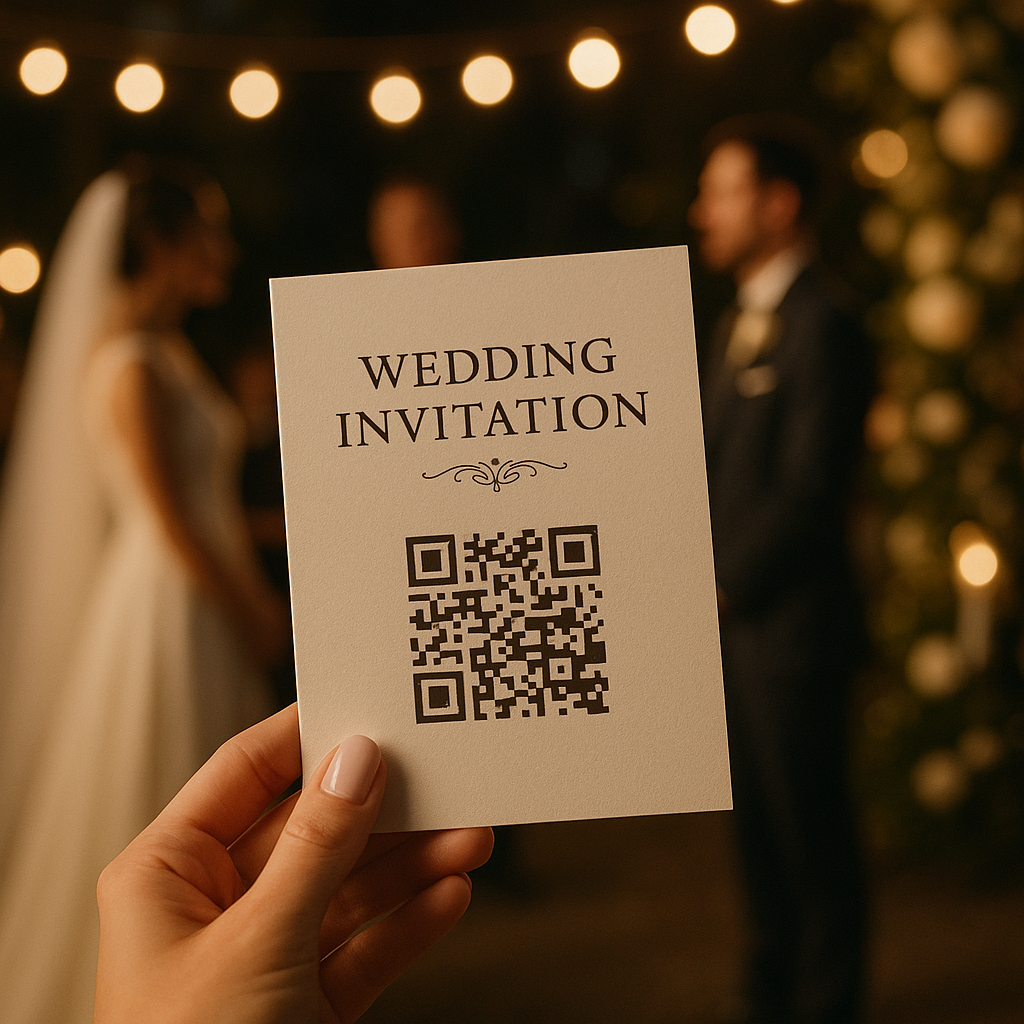
Weddings have followed that broader social shift. Couples now use QR codes to direct guests to wedding websites, collect RSVPs, share travel information, display digital registries and upload photos after the event. Some are incorporating them into save-the-dates or signage at the venue, while others are using them for admission and security. For planners and venues, the appeal is obvious: fewer paper materials, easier updates and faster coordination when guest details change.
Why Couples Are Embracing the Switch
The attraction is not only technological. Weddings are often expensive, labor-intensive events with many moving pieces, and QR codes promise relief on several fronts. They can reduce printing and postage costs, simplify communication and make it easier to manage large guest lists. They also fit with sustainability goals, especially for couples trying to limit waste from paper invitations, maps, schedules and response cards.
Security is another factor. In an age when social media can amplify the visibility of private events, managing access has become more important. A scannable code linked to a guest list can offer a cleaner and more efficient layer of protection than relying solely on printed invitations or names at the door. For celebrity weddings, that concern may be heightened, but ordinary couples can also benefit from systems that reduce confusion and unauthorized entry.
The Cultural Trade-Offs
Still, the spread of QR codes into wedding culture raises questions about what may be lost as celebrations become more digitized. Weddings have long been defined by tactile rituals: formal invitations, handwritten notes and printed keepsakes that families save for years. Replacing those items with links and scans can feel efficient, but also less personal for some guests, especially older relatives or those less comfortable with smartphones.
That tension reflects a broader change in social customs. Modern weddings are increasingly expected to balance aesthetics, budget, logistics and digital fluency all at once. The use of QR codes illustrates how couples are trying to meet those demands without abandoning the idea of a meaningful celebration. In many cases, the technology is not replacing romance so much as handling the administrative burden behind it.
Why This Matters Beyond the Wedding Industry
This story matters because it shows how quickly technologies associated with crisis or convenience can become embedded in intimate parts of daily life. The QR code’s journey from warehouse label to pandemic necessity to wedding accessory says something larger about consumer behavior: once people become comfortable with a tool, they often continue using it in places that once seemed improbable.
For readers, the significance is practical as well as cultural. Anyone planning an event, managing a family gathering or working in hospitality can see how digital systems are reshaping expectations around access, communication and sustainability. What is happening at weddings today may soon influence other milestone events, from graduations to reunions and private parties.
In that sense, the wedding QR code is more than a novelty. It is a small but revealing sign of how tradition adapts, absorbing new tools while trying to preserve the meaning of the occasion itself.