


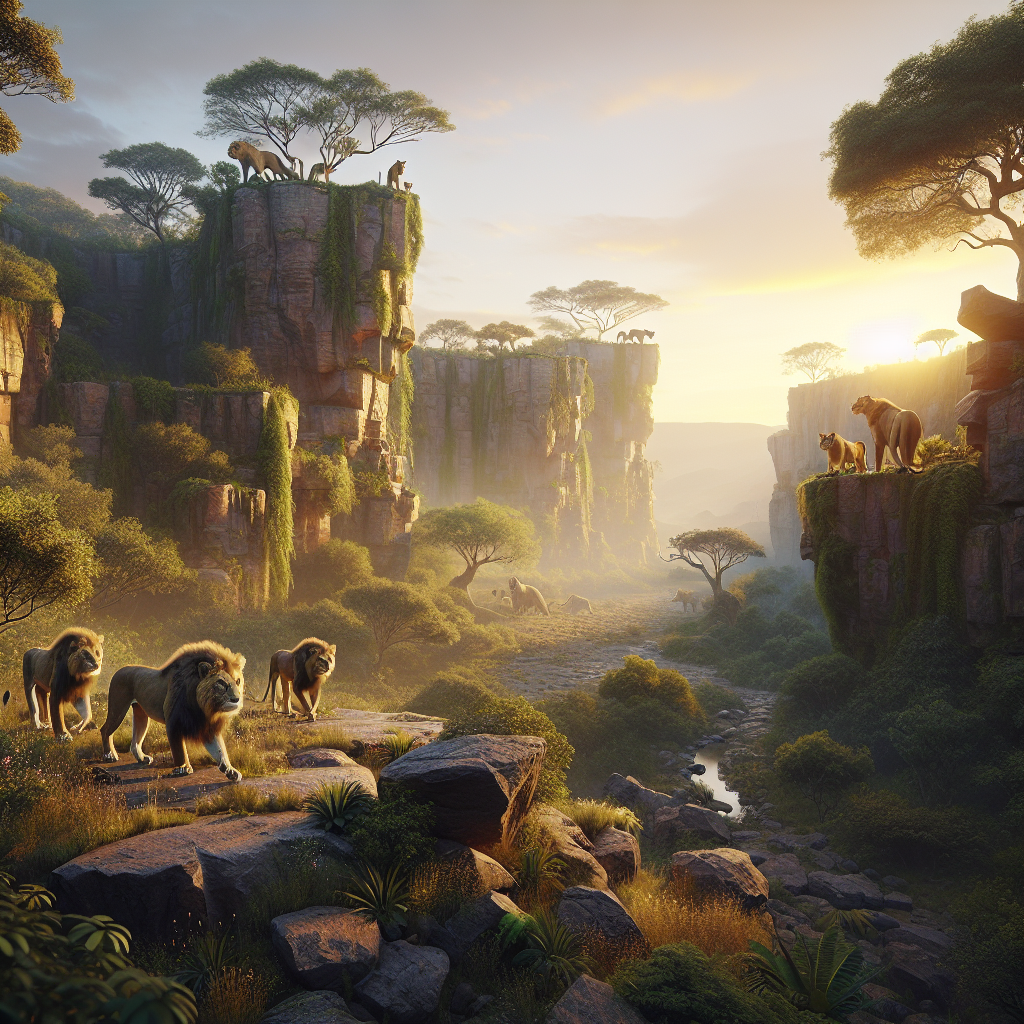
In a significant win for international animal welfare, three African lions, Cyrus, Zephora, and Juancito, have successfully completed a historic relocation from Honduras to their permanent new home at the Turpentine Creek Wildlife Refuge (TCWR) in Eureka Springs, Arkansas. The majestic felines arrived at the renowned sanctuary on January 15, marking the culmination of a complex rescue operation that promises them a future of safety and specialized care.
From Unsuitable Conditions to a Sanctuary’s Embrace
The journey for Cyrus, Zephora, and Juancito began in Honduras, where they were rescued from unspecified, likely unsuitable, conditions. While the specific details of their past remain private, the very nature of such rescues often points to instances of neglect, abandonment, or confiscation from illegal private ownership. The international effort required to transport three large predators across borders underscores the growing global commitment to addressing the plight of exotic animals kept in inadequate environments.
This cross-continental relocation highlights the persistent challenges faced by wildlife organizations worldwide. Many exotic animals, including powerful predators like lions, often end up in the private exotic pet trade or in poorly regulated facilities. When these situations fail, as they often do, the animals are left vulnerable, requiring immense resources and coordination from dedicated groups to provide a second chance. The arrival of these lions at TCWR represents not just a new beginning for them, but also a testament to the tireless work of rescuers and the critical role sanctuaries play in conservation and animal welfare.
Turpentine Creek: A Lifeline for Large Carnivores
Turpentine Creek Wildlife Refuge is nationally recognized for its commitment to providing a permanent, natural habitat for abused, abandoned, and neglected big cats and other predatory animals. As a true sanctuary, TCWR does not breed, buy, sell, or trade animals, focusing instead on offering lifetime care. For Cyrus, Zephora, and Juancito, this means access to expert veterinary care, nutritious diets, and expansive habitats designed to mimic their natural environments, allowing them to express natural behaviors often suppressed in captivity.
The integration of these new residents into the refuge’s existing population requires careful planning and significant financial investment. From constructing appropriate enclosures that ensure both safety and enrichment to providing ongoing medical attention and behavioral enrichment, the costs associated with caring for lions are substantial. The refuge relies heavily on public support, donations, and volunteer efforts to maintain its high standards of animal welfare and continue its vital rescue missions.
Why This Story Resonates: A Call for Compassion
The saga of Cyrus, Zephora, and Juancito matters to readers because it encapsulates a powerful narrative of hope and redemption. It serves as a stark reminder of the ethical responsibilities humanity holds towards wildlife, especially those impacted by human activities. Stories like this underscore the urgent need to combat illegal wildlife trade, discourage private ownership of exotic animals, and support reputable sanctuaries that are equipped to provide the specialized care these magnificent creatures demand.
Beyond the emotional appeal, this rescue has broader implications. It strengthens international partnerships in animal welfare and raises awareness about the complex global network of animal exploitation and rescue. Locally, it enhances Arkansas’s reputation as a state home to compassionate organizations dedicated to animal protection. Ultimately, the arrival of these three lions in Arkansas is more than just a news item; it’s a living testament to the power of compassion and collective action in giving deserving animals a new lease on life, where they can finally live with dignity and peace.