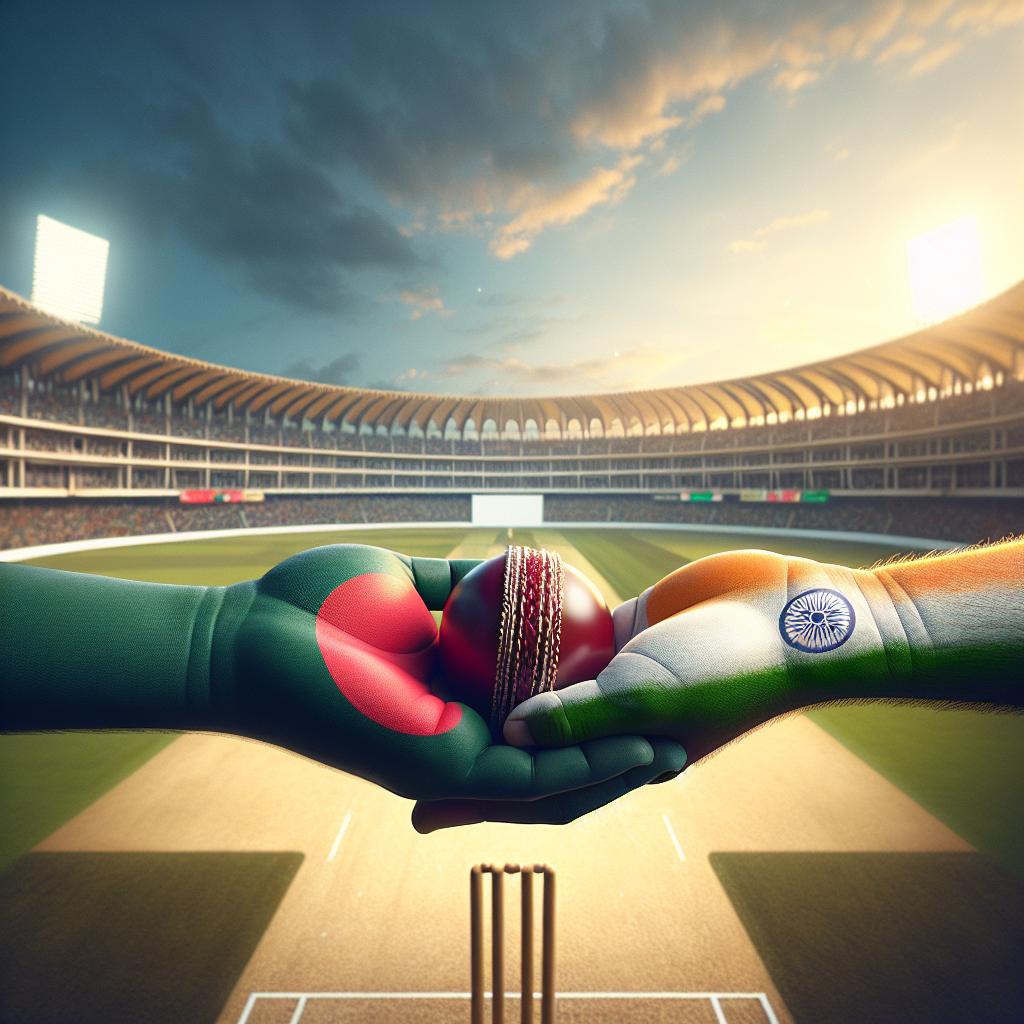
Bangladesh has indicated it may reconsider a strict cricket-related measure that emerged after the Mustafizur Rahman episode, in a move that could carry significance well beyond one player or one tournament. The shift in tone came after the country’s new sports minister, Aminul Haque, said Bangladesh wants friendly relations with India, suggesting a more pragmatic approach to a policy that affected player movement and drew attention across the cricket world.
The immediate backdrop is the long-running sensitivity around Bangladeshi cricketers participating in the Indian Premier League, the sport’s richest franchise competition and one of its most influential institutions. The latest flashpoint involved left-arm pacer Mustafizur Rahman, one of Bangladesh’s most recognizable cricket exports. According to the source material, the BCCI had ordered KKR to release him from their squad for the 2026 IPL, reviving debate over national availability, board control, and the balance between bilateral relations and franchise cricket.
A Dispute That Resonated Beyond One Player
The Mustafizur saga mattered because it was never only about team selection. In South Asia, cricket frequently overlaps with diplomacy, commerce, and national pride. Whenever a player’s release becomes contentious, questions quickly emerge about who controls the modern game: national boards protecting their calendars, governments shaping broader policy, or franchise leagues whose financial pull can redefine priorities.
Bangladesh’s earlier hard line was seen by many observers as part of that larger contest. While the details of any potential rollback remain unclear, even a hint of a U-turn is notable. It suggests Dhaka may be seeking to lower friction with New Delhi in an area where symbolism matters. Sports policy can become a low-risk arena for testing warmer ties, especially when political relations have faced strain.
Why the IPL Angle Is So Important
The IPL is not just another domestic competition. Its scheduling, salaries, and global visibility influence squad management across cricket-playing nations. For players from Bangladesh, participation offers elite exposure, financial opportunity, and the chance to share dressing rooms with the game’s best talents. For Bangladesh cricket as a system, access to such leagues can aid development, though it can also create tensions over workload and availability.
That is why any restriction linked to IPL participation has effects beyond Bangladesh and India. Franchise teams want certainty over player contracts. Other cricket boards watch closely because similar disputes can set precedents. Broadcasters, sponsors, and fans also care, since the modern cricket economy depends heavily on marquee tournaments having the best available talent.
Historical Context in India-Bangladesh Cricket Relations
Cricket ties between India and Bangladesh have grown significantly over the past two decades, even as political and sporting disagreements occasionally surface. India has often been central to Bangladesh’s cricket development through tours, visibility, and shared regional attention. At the same time, Bangladesh’s rise as a more competitive international side has brought greater assertiveness from its board and administrators.
That mix of cooperation and rivalry makes episodes like the Mustafizur dispute especially sensitive. A Bangladeshi star in the IPL represents both integration into cricket’s biggest marketplace and a reminder that smaller boards must constantly defend their own interests. Any easing of restrictions could therefore be read as an attempt to recalibrate, not surrender, policy.
What This Could Mean Next
If Bangladesh ultimately softens its stance, the first impact would likely be practical: smoother negotiations over player participation in overseas leagues, especially in India. That could benefit Bangladeshi cricketers hoping for broader franchise opportunities and reassure teams that may hesitate to sign players without clear availability.
More broadly, the development matters because cricket remains one of the most visible channels through which India and Bangladesh engage each other in public view. Friendlier coordination in sport can help reduce mistrust and create momentum in other areas of the relationship. For readers, this is a reminder that sports decisions are rarely isolated. They can reflect larger strategic thinking, shape careers, and influence how two neighboring countries manage both competition and cooperation.
For now, the key takeaway is the change in language. Bangladesh has not simply revisited an administrative issue; it has framed the matter in terms of friendly relations with India. In a region where cricket often speaks louder than official statements, that nuance may prove to be the real story.