

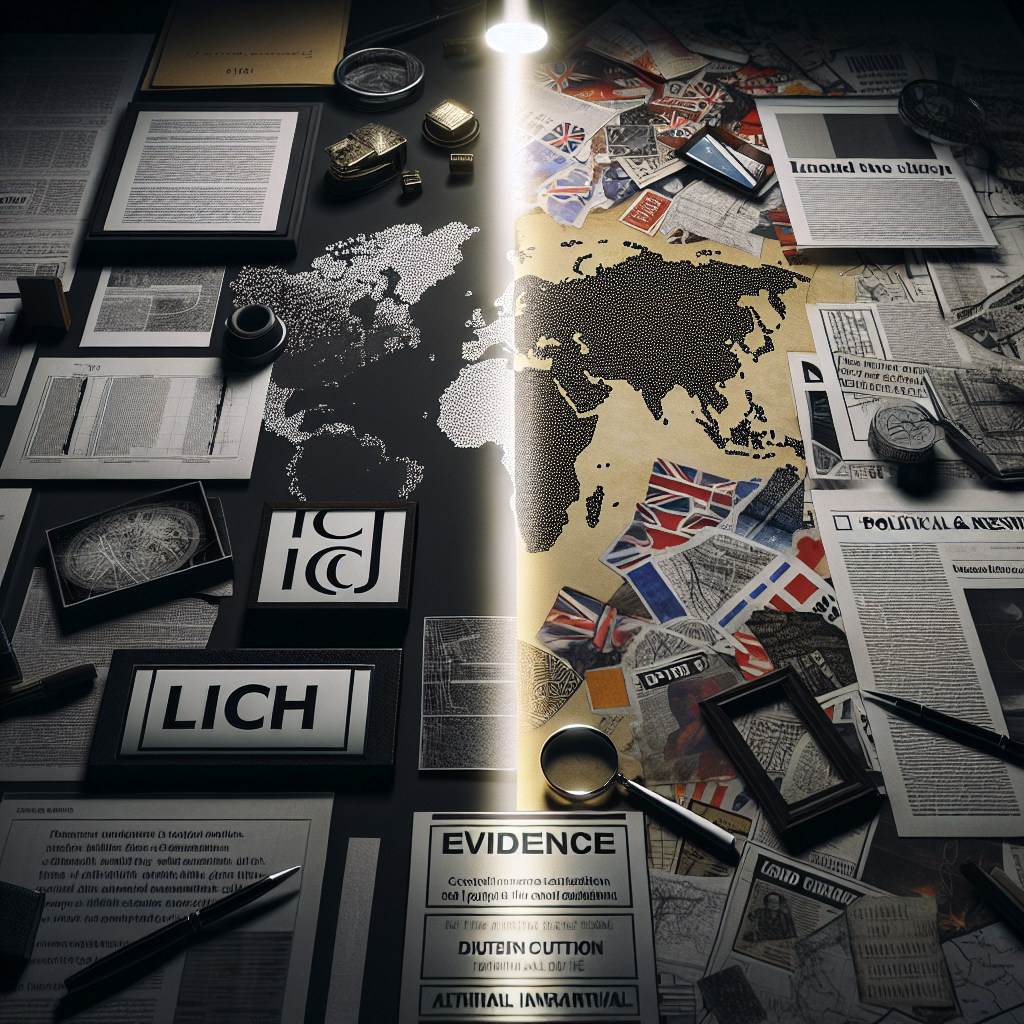
In the complex and often contentious landscape surrounding the conflict in Gaza, an important new work by veteran journalist Peter Oborne, titled "Complicit: Britain’s Role in the Destruction of Gaza," is set to provoke significant discussion. Oborne’s book delves into Britain’s involvement, particularly against the backdrop of the International Court of Justice (ICJ) hearing in January 2024, where South Africa presented allegations of genocide against Israel in Gaza. His analysis critically contrasts "two different realities" – one firmly rooted in evidence, and another, by implication, possibly driven by alternative narratives or political agendas.
The Weight of International Justice: The ICJ Proceedings
The January 2024 hearing at the International Court of Justice was a pivotal moment on the global stage, drawing immense international attention. South Africa’s application to the ICJ brought forth serious allegations concerning Israel’s conduct in Gaza, invoking the Genocide Convention – a treaty to which both nations are signatories. These proceedings highlighted the profound moral and legal questions surrounding the conflict, placing a spotlight on the responsibilities of states under international law.
For many observers, the ICJ hearing underscored the urgent need for accountability and adherence to international humanitarian law. Regardless of the court’s eventual findings, the very act of the proceedings sent a powerful message about the international community’s growing demand for scrutiny and justice in prolonged conflicts. Oborne’s decision to frame his book around this critical juncture emphasizes its significance as a reference point for understanding global perceptions and national stances.
Peter Oborne’s Discerning Lens: Evidence vs. Narrative
Peter Oborne, known for his incisive and often contrarian journalism, aims to dissect Britain’s policy and discourse surrounding the Gaza conflict. By contrasting "two different realities," he challenges readers to distinguish between verifiable facts and potentially biased interpretations. This approach is particularly crucial in an era dominated by rapid information flow and competing narratives, where the line between objective reporting and advocacy can often blur. Oborne’s work appears to advocate for a rigorous adherence to evidence, pushing back against what he perceives as a departure from factual reporting or policy-making.
His exploration of Britain’s "complicity" suggests a deep dive into the historical and contemporary foreign policy decisions, diplomatic actions, and public statements that have shaped the UK’s position on the Israeli-Palestinian conflict, particularly concerning Gaza. This involves examining the often-complex interplay of historical ties, strategic interests, and humanitarian concerns that inform a nation’s approach to such sensitive geopolitical issues.
Historical Context and Britain’s Enduring Role
Britain’s involvement in the region is deeply rooted in history, stemming from the Mandate era following World War I. This historical legacy continues to influence its foreign policy and relationships with both Israel and Palestine. The complex web of promises, geopolitical strategies, and evolving international relations from that period laid foundations that persist to this day. Understanding this historical context is vital for comprehending Britain’s contemporary stance and its perceived role – whether supportive or critical – in the ongoing conflict.
Oborne’s book likely scrutinizes how these historical precedents and contemporary political calculations converge to define Britain’s current posture, especially as international pressure mounts to address the humanitarian crisis in Gaza and the broader questions of peace and justice in the region.
Global Implications and Why It Matters to the Reader
The implications of Oborne’s analysis extend far beyond Britain’s borders. In an increasingly interconnected world, the actions and policies of major global players like the UK have ripple effects on international law, diplomatic efforts, and humanitarian aid. A critical examination of a nation’s role in such a fraught conflict encourages greater accountability from all states. It challenges governments to align their foreign policies more closely with international legal frameworks and humanitarian principles.
For the average reader, this story matters because it underscores the importance of informed citizenship and media literacy. In a landscape saturated with information, the ability to discern evidence-based reality from narratives is paramount. Oborne’s work encourages a deeper, more critical engagement with news and policy, fostering a better understanding of the global forces that shape our world and the ethical responsibilities of nations. It serves as a reminder that complex international issues demand nuanced scrutiny, not simplistic narratives, prompting readers to question, investigate, and demand accountability from their own governments.