

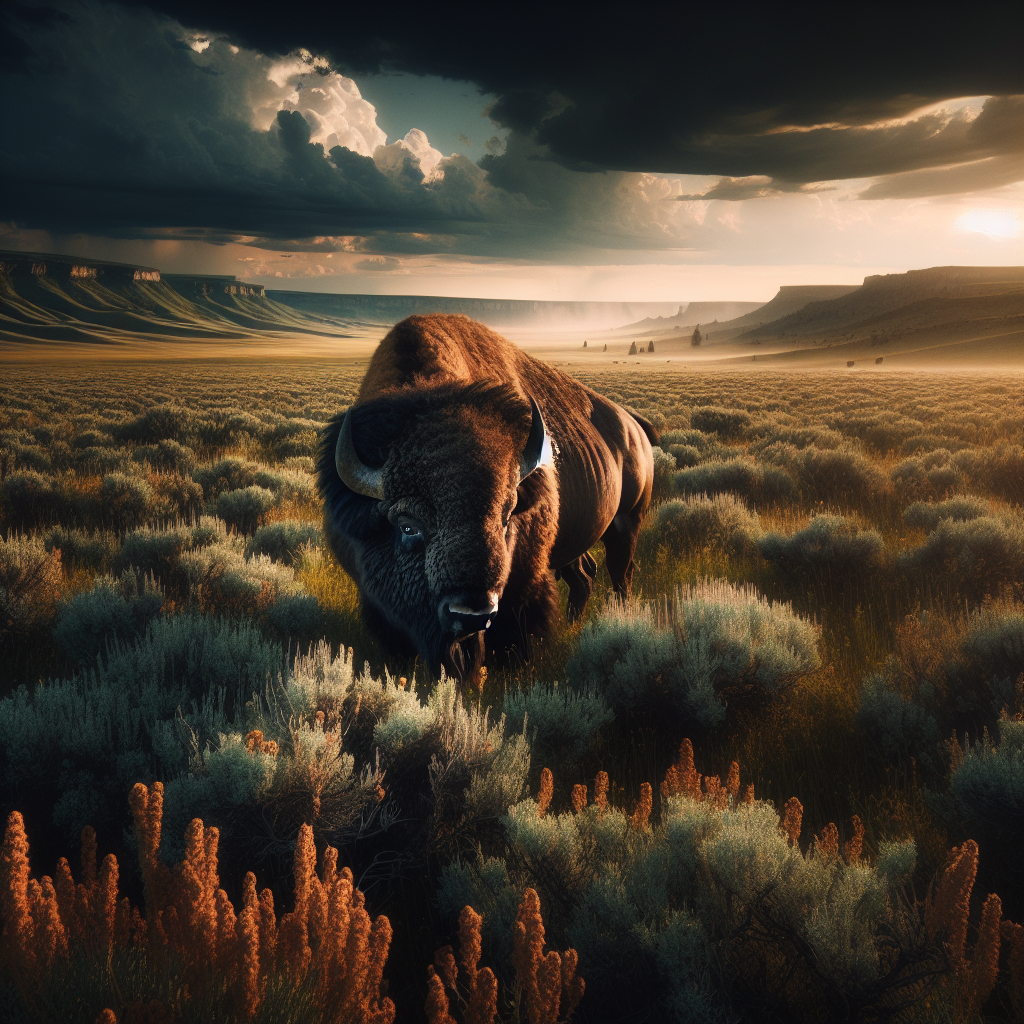
The Buffalo Bill Center of the West in Cody, Wyoming, is devoting major attention to bison in 2026, turning one of North America’s most symbolically powerful animals into a centerpiece of its programming. According to the museum’s website, the effort reflects the animal’s role as a witness to sweeping cultural and ecological change. For a museum complex long associated with the history of the American West, the move signals more than a themed exhibition year: it is an attempt to connect wildlife, Indigenous history, conservation, and regional identity in a way that resonates well beyond Wyoming.
The focus on bison arrives at a time when museums are increasingly expected to do more than display artifacts. Visitors now look for institutions to explain how the past continues to shape current debates over land use, species restoration, tourism, and cultural memory. In that respect, bison offer an unusually rich subject. They are at once an ecological keystone species, a sacred and practical resource for many Indigenous nations, and an enduring icon of the American plains.
A Species That Carries the History of the West
For centuries, vast bison herds moved across the grasslands of North America, shaping ecosystems and sustaining human communities. Their grazing patterns influenced prairie health, while their hides, meat, and bones were central to daily life for many Indigenous peoples. The animal’s place in the history of the West is therefore inseparable from the history of Native nations, westward expansion, railroad development, commercial hunting, and federal policy.
By the late 19th century, bison populations had collapsed after industrial-scale slaughter pushed the species to the edge of extinction. That decline has long been understood not only as an environmental disaster but also as part of a broader rupture in the social and cultural world of the plains. Over time, recovery efforts by ranchers, conservationists, tribes, and public institutions helped prevent the animal’s disappearance. Today, bison are often cited as one of North America’s most important conservation comeback stories, even though questions remain about habitat, herd management, and the difference between commercial and conservation herds.
Why a Bison-Focused Year Matters in Cody
Cody occupies a distinctive place in the storytelling of the West. The city is closely linked with frontier mythology, tourism, and gateway travel to Yellowstone. A sustained focus on bison allows the Buffalo Bill Center of the West to broaden that narrative. Instead of presenting the West only through familiar images of cowboys, firearms, and expansion, the museum can use bison to explore environmental transformation, Indigenous continuity, and the consequences of human intervention on the landscape.
That shift matters for local audiences and visitors alike. In a state where wildlife remains central to both the economy and public identity, museum programming can shape how residents and tourists understand the relationship between heritage and stewardship. A stronger public conversation about bison may also encourage more nuanced thinking about conservation policy, tribal partnerships, and the management of iconic animals in and around the greater Yellowstone region.
Broader Cultural and Ecological Relevance
The museum’s emphasis also reflects wider interest in the bison’s place in contemporary America. Across the United States and Canada, tribes, nonprofits, and public agencies have worked to restore bison to portions of their historic range. Those efforts are often about more than species recovery. They can involve food sovereignty, cultural revitalization, prairie restoration, and the rebuilding of relationships between communities and land.
For readers outside Wyoming, the story speaks to a larger trend in public history: institutions are reexamining familiar symbols through a more inclusive lens. Bison are instantly recognizable, but their story is more complicated than a simple tale of frontier wildlife. It includes loss, resilience, science, politics, and memory. Museums that handle that complexity well can help audiences understand why environmental issues are rarely separate from cultural ones.
A Timely Subject for a Changing Museum Landscape
In practical terms, a high-profile bison theme could bring additional attention to Cody and to the Buffalo Bill Center of the West during the 2026 season. But the deeper significance lies in the subject itself. Bison are one of the rare topics that can unite art, natural history, Western history, and Native perspectives under a single umbrella. That makes them especially well suited for a multidisciplinary museum campus.
At a moment when cultural institutions are competing for attention and trying to prove their relevance, choosing bison is a reminder that some of the most urgent stories are also among the oldest. The animal’s history remains unfinished, and the questions it raises about ecology, identity, and responsibility are still very much alive. By going all in on bison, the Cody museum is betting that visitors want not just spectacle, but meaning.