

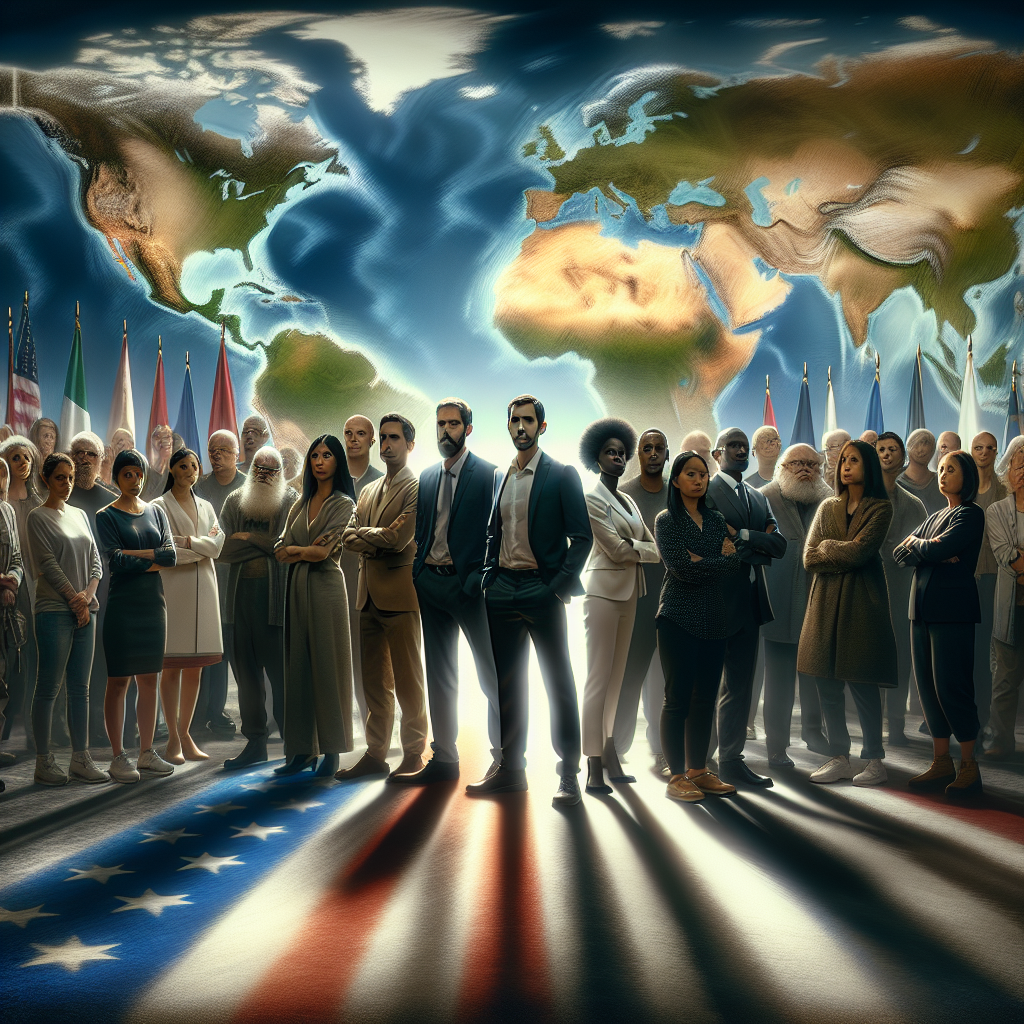
The intensifying debate over immigration in the United States has reached a critical juncture, transcending the usual political battlegrounds and igniting a widespread cultural revolt. What was once primarily a partisan issue or the domain of dedicated activists is now permeating the fabric of American society, drawing fierce opposition from influential figures across the worlds of business, sports, and entertainment. This growing chorus of dissent signals a profound shift in the national conversation, moving beyond policy specifics to challenge the very ethos of the nation's approach to immigration.
A Deepening Rift: From Politics to Pop Culture
At the heart of this cultural shift lies the response to former President Donald Trump's stringent immigration policies. Throughout his administration and even in his continued public presence, Trump's rhetoric and actions – including proposals for border walls, increased deportations, and controversial family separation practices – consistently fueled intense public debate. These policies, often framed as measures to enhance national security and economic protection, were met with immediate condemnation from human rights organizations and progressive political groups. However, the current wave of opposition demonstrates a significant expansion, indicating that the controversy has embedded itself deeply within the nation's cultural consciousness.
One prominent example of this burgeoning resistance emerged with the release of a new song by legendary musician Bruce Springsteen. The song, unveiled on a recent Wednesday, pointedly criticized "Trump's federal thugs," articulating a powerful artistic protest against the administration's methods and objectives. Springsteen, a long-standing voice for working-class America and social justice, represents a powerful cultural touchstone whose artistic expressions often resonate far beyond political echo chambers. His intervention underscores how artists are increasingly using their platforms to articulate widely felt societal anxieties and opposition to governmental actions.
Business Leaders and Sports Figures Weigh In
The cultural backlash is by no means limited to the entertainment industry. The business sector, particularly the technology industry, has also voiced significant concerns. OpenAI chief executive Sam Altman, a figure at the forefront of technological innovation, is among those signaling discomfort with the immigration crackdown. The tech world, heavily reliant on a global talent pool and often advocating for open borders to foster innovation and economic growth, views restrictive immigration policies as detrimental to its core operations and future prospects. Silicon Valley and other business hubs frequently emphasize the benefits that immigrants bring in terms of entrepreneurship, diverse skill sets, and economic vitality, framing restrictive measures as counterproductive to American competitiveness.
While the original source material hints at the involvement of sports, this arena too offers a unique platform for cultural commentary. Sports icons and organizations, often celebrated for transcending divides and embodying shared national values, occasionally take stances on social issues. Their participation, whether through individual statements, team initiatives, or philanthropic efforts, can reach vast audiences and lend considerable weight to arguments against policies perceived as unjust or divisive, further illustrating the widespread nature of this growing cultural resistance.
Why This Cultural Revolt Matters
This widespread cultural revolt against specific immigration policies is more than just political noise; it represents a significant societal indicator. It suggests a deeper re-evaluation of national identity and values, particularly concerning America's historical role as a nation of immigrants. For readers, this story matters because it reflects the evolving moral compass of the nation, influenced by the very figures who shape popular culture and economic discourse. When entertainers, business leaders, and sports personalities collectively express dissent, it can sway public opinion, influence political narratives, and potentially even impact future policy decisions.
The implications extend beyond domestic politics. Globally, America's immigration stance is often viewed as a reflection of its foundational principles. A broad cultural rejection of specific policies within the U.S. can impact its international standing, its attractiveness to global talent, and its perceived commitment to human rights. This expanding resistance underscores that immigration is not merely a legal or economic matter, but a deeply human and cultural one, resonating through every layer of American life and shaping its future trajectory.