


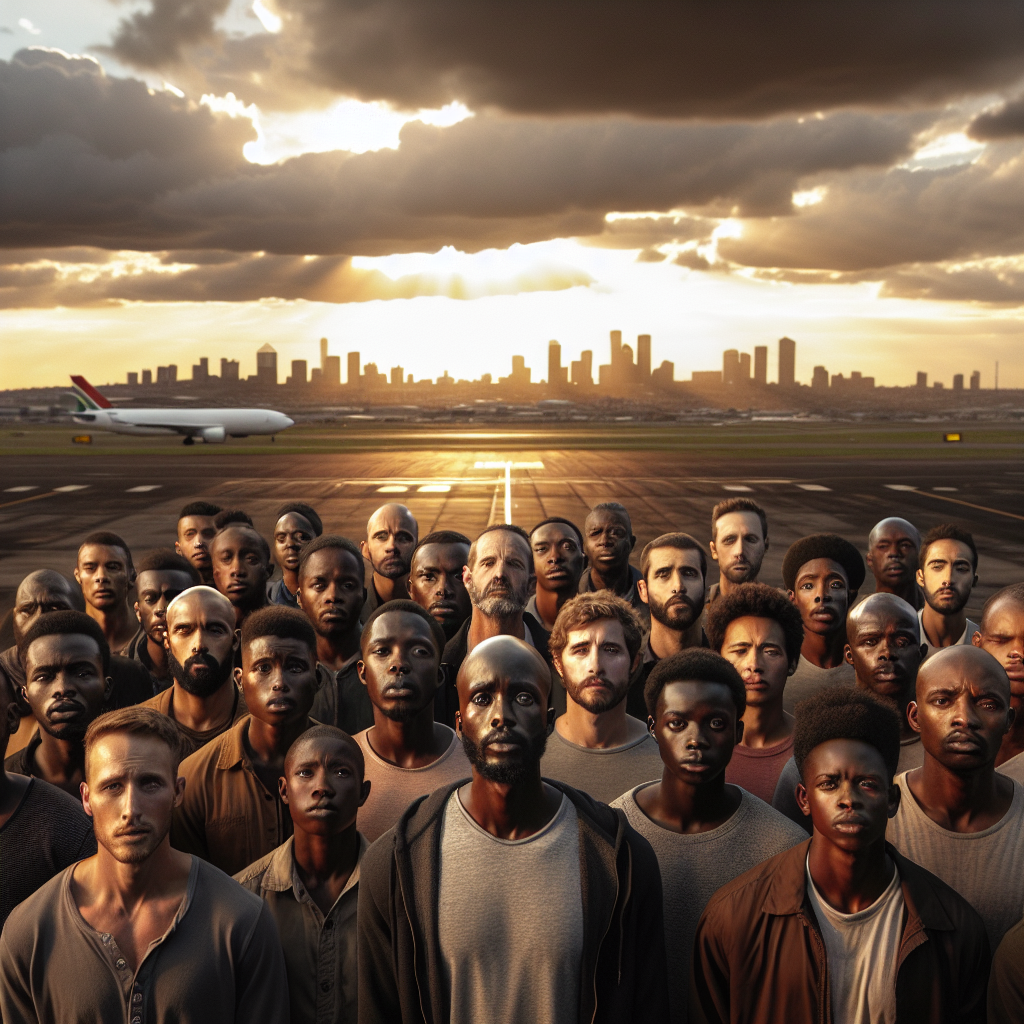
In a significant diplomatic triumph, South Africa has successfully secured the repatriation of 17 of its citizens who were allegedly recruited into “mercenary activities” linked to Russia’s ongoing war in Ukraine. The men, described by the government as having been “lured” to Russian frontlines, are now in the process of returning home following direct intervention at the highest levels of government. President Cyril Ramaphosa expressed gratitude to Russian President Vladimir Putin for his cooperation in facilitating their return, underscoring the delicate diplomatic balance South Africa maintains amidst global geopolitical tensions.
The announcement, made public through President Ramaphosa’s office, highlights the persistent dangers faced by individuals who might be enticed by foreign military recruitment, often under ambiguous pretenses. While specific details surrounding the recruitment process of these 17 men remain scarce, the use of the term “lured” suggests a narrative of deception or undue influence, rather than a voluntary and fully informed decision to engage in combat abroad. This incident casts a spotlight on the broader issue of foreign fighters and private military contractors operating in conflict zones globally, a phenomenon that poses complex legal and ethical challenges for nations whose citizens become involved.
South Africa’s Diplomatic Tightrope
South Africa’s role in the Ukraine conflict has been characterized by a policy of non-alignment, a stance that has at times drawn criticism from Western nations but is rooted in the country’s historical foreign policy principles. Despite its neutral position, South Africa maintains strong historical ties with Russia, a relationship forged during the anti-apartheid struggle and further cemented through multilateral forums like BRICS (Brazil, Russia, India, China, South Africa). This dual approach allows Pretoria to engage diplomatically with both sides, as evidenced by President Ramaphosa’s direct communication with President Putin to secure the release of its citizens.
The repatriation effort underscores South Africa’s commitment to protecting its citizens abroad, irrespective of the controversial circumstances of their alleged involvement. South African law explicitly prohibits citizens from engaging in mercenary activities in foreign conflicts, with stringent penalties for those found guilty. This legal framework reflects a broader international consensus aimed at regulating and preventing individuals from participating in conflicts outside their national military service. The return of these men will undoubtedly prompt further scrutiny into the networks and individuals responsible for their recruitment, potentially leading to domestic legal proceedings to uphold the country’s laws against mercenary actions.
Global Implications and Citizen Safety
This incident is not an isolated one; the involvement of foreign citizens in conflicts like the war in Ukraine is a recurring global phenomenon. From the wars in Afghanistan and Iraq to various conflicts across Africa and the Middle East, individuals are often drawn into combat roles by a mix of ideological motivations, financial incentives, or, as in this case, alleged deception. For South Africa, the safe return of its citizens serves as a crucial reminder of the dangers of such recruitment, particularly for vulnerable populations facing economic hardship.
The story resonates deeply with ordinary citizens, emphasizing the potential personal cost of international conflicts and the government’s responsibility to protect its diaspora. It highlights the often-unseen consequences of global geopolitical struggles, where individuals can unwittingly become pawns in larger power dynamics. The South African government has consistently warned its citizens against engaging in unauthorized military activities abroad, a message that gains significant weight with this high-profile repatriation.
A Precedent and a Warning
The successful intervention by the South African government sets a precedent for how nations might navigate similar complex situations in the future. It demonstrates that diplomatic channels, even between states with differing international alignments, can be effectively utilized for humanitarian purposes. This outcome reinforces the idea that dialogue and engagement, even amid intense global divisions, remain vital tools for resolving sensitive issues involving human lives.
Ultimately, the return of these 17 men is a poignant reminder of the human element often overshadowed by headlines of geopolitical strife. It serves as both a testament to diplomatic resolve and a stark warning to those who might be tempted by the allure of foreign battlefields. The South African government’s swift action ensures its citizens are brought home, providing an opportunity for them to face whatever legal or rehabilitation processes may be deemed necessary, while reinforcing the nation’s stance on the dangers of mercenary involvement.