


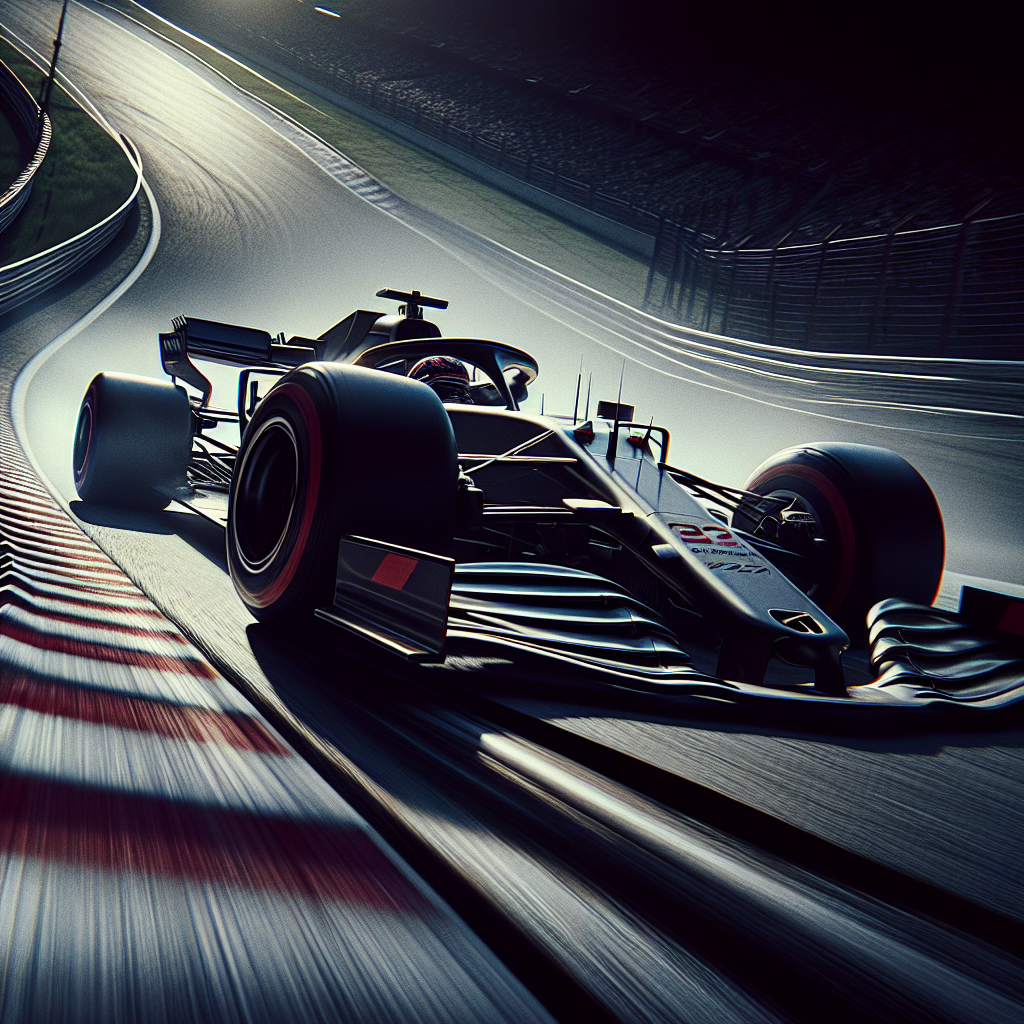
Formula 1 drivers have broadly welcomed a late rule tweak for qualifying at the Japanese Grand Prix, with the FIA moving to reduce the amount of energy-saving that had become a talking point ahead of the Suzuka weekend. The adjustment is aimed at limiting the need for so-called lift-and-coast driving on a qualifying lap, a technique in which drivers briefly come off the throttle before braking in order to manage electrical deployment and overall energy use.
At a circuit such as Suzuka, that issue carries particular importance. The Japanese venue is one of the most demanding tracks on the calendar, defined by long, flowing high-speed corners and a layout that rewards commitment, rhythm and aerodynamic confidence. When drivers are forced to compromise a flat-out qualifying attempt because they must conserve energy at certain points of the lap, it can dilute the spectacle and alter the character of one of Formula 1’s purest tests.
Why the FIA Made the Change
The governing body’s intervention reflects a wider concern within Formula 1 about how modern hybrid power units influence the way cars are driven over a single lap. Under the current engine formula, teams must constantly balance internal combustion performance, battery deployment and energy recovery. That complexity is central to the championship’s technological identity, but it has also created situations where drivers cannot simply attack every corner in qualifying as fans might expect.
According to the source material, all five of Formula 1’s power unit manufacturers were involved in discussions around the Suzuka adjustment, underlining that this was not a minor team-specific issue but a broader sporting and technical concern. The fact that drivers welcomed the move while also suggesting there may be room to go further indicates a shared appetite for qualifying laps that look and feel more instinctive, especially at iconic tracks.
Suzuka’s Place in F1 History
Suzuka has long held a special place in Formula 1. The circuit has hosted many of the sport’s most memorable title-deciding moments and is widely regarded by drivers as one of the best tracks in the world. Its famous sequence of sweeping esses, the high-speed commitment of 130R and the technical demands of the final sector make it a venue where precision and bravery are constantly tested.
That reputation is exactly why any rule change affecting qualifying there attracts attention. Fans associate Suzuka with drivers pushing to the absolute limit. If energy management becomes too visible, it risks undermining the very qualities that have made the circuit so revered. In that sense, the FIA’s tweak is about more than one session on one weekend; it touches on how Formula 1 wants its fastest laps to be perceived.
The Bigger Debate Around Modern F1 Cars
This development also feeds into a longstanding debate about the balance between engineering efficiency and sporting showmanship. Formula 1 has embraced hybrid technology for more than a decade, and that era has brought significant advances in powertrain efficiency and road-relevant innovation. Yet it has also made race and qualifying management more intricate, sometimes to the point where the visual drama is less obvious to casual viewers.
Drivers have often made clear that they want opportunities to push harder, particularly in qualifying, when the sport traditionally showcases peak performance with minimal compromise. Any step that reduces energy-saving on a flying lap is therefore likely to be seen positively by those in the cockpit, because it restores a more direct connection between driver commitment and lap time.
Why This Matters Beyond Japan
The significance of the Suzuka change extends beyond this weekend. If the adjustment proves successful, it could influence future conversations about qualifying regulations at other circuits and even shape thinking around future power unit rules. Formula 1 is constantly trying to balance sustainability, technical sophistication and fan engagement, and small regulatory changes often become test cases for bigger reforms.
For readers and viewers, the issue matters because it goes to the heart of what makes Formula 1 compelling. Fans want to see the best drivers in the world extracting everything from their cars on tracks that demand total commitment. When regulations encourage that without abandoning the sport’s technological DNA, Formula 1 is closer to delivering the blend of innovation and spectacle it promises.
At Suzuka, where a qualifying lap should be a statement of confidence and precision, even a subtle rule tweak can carry outsized importance. The positive reaction from drivers suggests the FIA may have struck a useful balance, while the calls to explore further changes show this debate is far from over.