


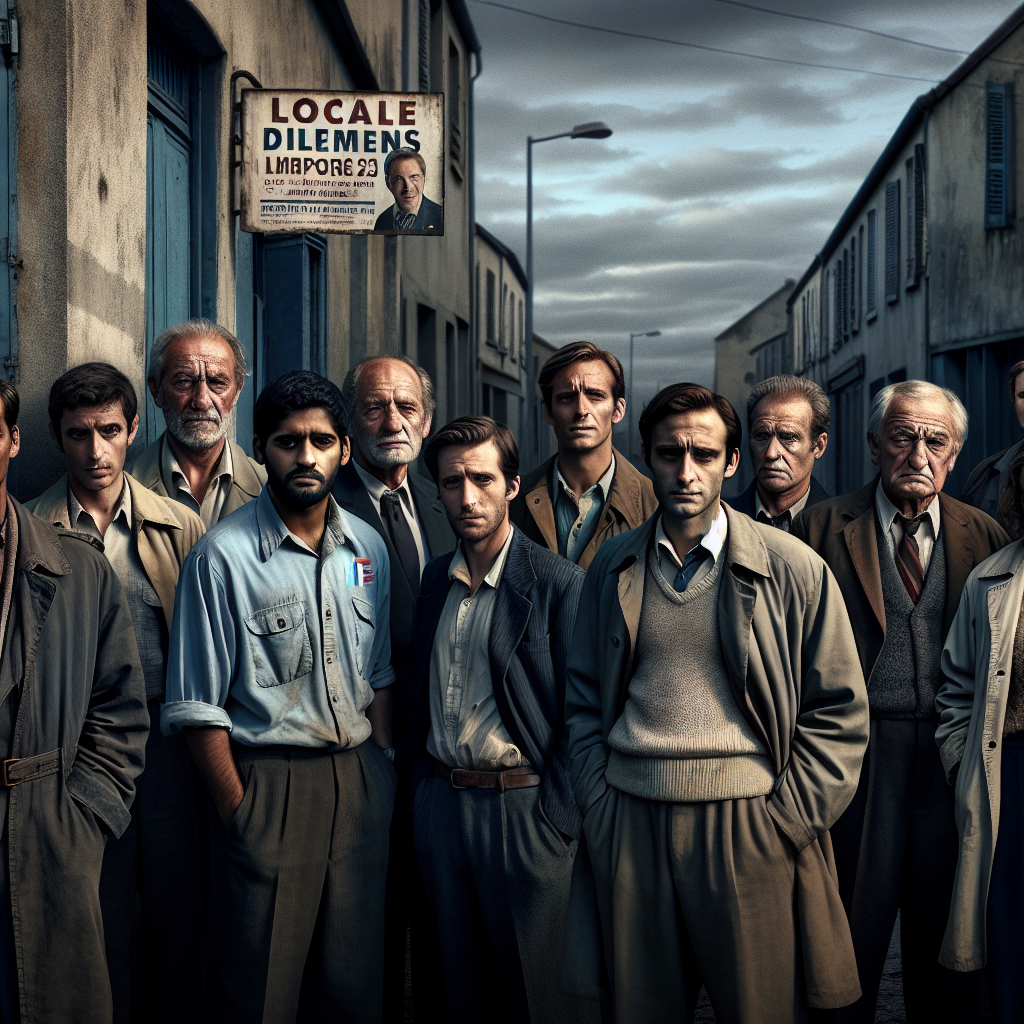
The latest local election gains by France’s far-right National Rally have reinforced a question that has hovered over French politics for years: can a party once treated as an extremist outlier complete its journey into the political mainstream and eventually win the presidency? The answer appears more complicated than a simple string of local victories suggests. While the party has become more disciplined, more professional and more electorally durable, it still faces a stubborn barrier rooted in its history, its image and the structure of French politics itself.
The source of the party’s strength is no mystery. In towns such as Hénin-Beaumont in northern France, a place shaped by industrial decline and long-term economic frustration, National Rally has worked carefully to build a local base. These municipalities offer the party more than symbolic wins. They provide governing experience, visibility and a chance to persuade skeptical voters that it can do more than protest from the margins. For a movement seeking national power, local office is a testing ground as much as it is a prize.
From Protest Movement to Governing Ambition
National Rally, formerly known as the National Front, has spent years trying to soften its image. Under Marine Le Pen, the party has pursued a strategy of normalization, seeking to distance itself from the most inflammatory elements associated with its past while broadening its appeal among working-class voters, rural communities and people who feel alienated from Parisian political elites. The recent elections fit squarely into that effort. Stronger campaigns, more polished candidates and a greater emphasis on local administration all serve the larger goal of making the party look presidential.
That strategy has not erased deep unease. For many French voters, National Rally still carries the legacy of xenophobia, nationalism and democratic mistrust that defined earlier phases of the movement. Opponents continue to argue that a more refined presentation does not amount to a meaningful ideological break. This tension helps explain why the party can perform well in local and European contests yet still struggle to convert momentum into ultimate control of the state.
Why Local Gains Matter Beyond City Hall
Local elections matter because they shape perceptions of competence. A party that governs towns and regions can point to budgets, services and daily administration as proof that it is capable of handling power. That is especially important in France, where presidential elections often become a referendum on character, steadiness and institutional credibility. Every municipal foothold helps National Rally rebut the argument that it is unfit to govern.
At the same time, local victories can reshape the national conversation. They force mainstream parties to respond, either by hardening their own positions on immigration, security and identity, or by rebuilding support among voters who feel ignored. In that sense, National Rally’s rise is not only about its own prospects. It is also about the weakening of the traditional party system in France and the broader erosion of the political center seen across much of Europe.
A French Story With European Echoes
The significance of this trend extends beyond France. Across Europe, right-wing populist and nationalist parties have gained support by linking economic anxiety, cultural unease and distrust of established institutions. France holds particular importance because of its size, its role in the European Union and its political influence on issues ranging from migration to defense. Any further mainstreaming of National Rally would be closely watched in Brussels, Berlin and other European capitals.
For readers, the story matters because local elections often reveal political change before national contests confirm it. They show where discontent is settling, which messages are resonating and how democratic systems adapt when once-marginal parties become regular contenders for power. In France, these results suggest that National Rally is no passing protest force. But they also show that normalization has limits. The party may be closer than ever to the center of political life, yet the presidency still requires persuading a broader electorate that crossing the final line would be a safe choice, not a leap into the unknown.
That is the central uncertainty now facing France. National Rally has advanced too far to be dismissed, but not far enough to be considered inevitable. Its local gains are real, consequential and politically significant. Whether they become a springboard to national power will depend on whether the party can turn municipal credibility into lasting trust across a country that remains deeply divided over what it represents.