

The future of The Lochs shopping centre, a long-standing retail hub that has served its community for more than half a century, is under growing uncertainty as fears mount over its possible closure. Business owners and regular visitors have raised concerns about what lies ahead for the centre, saying they have been left without clear answers about its long-term survival.
For many residents, The Lochs is more than just a place to shop. Centres of this kind often act as social anchors, offering everyday convenience, familiar faces and a sense of local continuity that larger out-of-town retail parks or online shopping platforms struggle to replace. That is why the prospect of such a site being lost carries an impact that reaches far beyond the shops themselves.
A shopping centre with deep roots in the community
Having operated for around 50 years, The Lochs represents a type of shopping centre that became a defining feature of towns and urban communities in the later decades of the 20th century. Built in an era when covered retail spaces were seen as symbols of convenience and modern life, centres like this often became important meeting points, especially in places where they brought together independent traders, essential services and footfall under one roof.
Over time, many such centres developed a loyal customer base. Generations of families came to rely on them not only for groceries, household needs and day-to-day errands, but also for the routine human contact that helps bind communities together. In many areas, older shopping centres continue to play a particularly important role for elderly residents, people without easy access to transport and small business owners who depend on a stable local customer base.
Why survival has become more difficult
The concerns surrounding The Lochs reflect wider pressures facing traditional shopping centres across the UK and beyond. Rising operating costs, changing consumer habits and the continued growth of e-commerce have reshaped the retail landscape. At the same time, larger retail destinations and supermarket-led developments have drawn spending away from older town-based centres.
Economic uncertainty has added to those pressures. Small businesses are often the first to feel the strain when costs increase and customer numbers become less predictable. If uncertainty over a site's future is allowed to persist, the effect can become self-reinforcing: traders may delay investment, vacancies can grow and shoppers may begin to look elsewhere, accelerating decline.
What closure could mean locally
If The Lochs were to close, the consequences would likely be felt across the surrounding area. Independent businesses could face disruption or the loss of premises that have taken years to establish. Staff working in those units would face uncertainty over their jobs, while customers could lose a convenient and familiar place to access everyday goods and services.
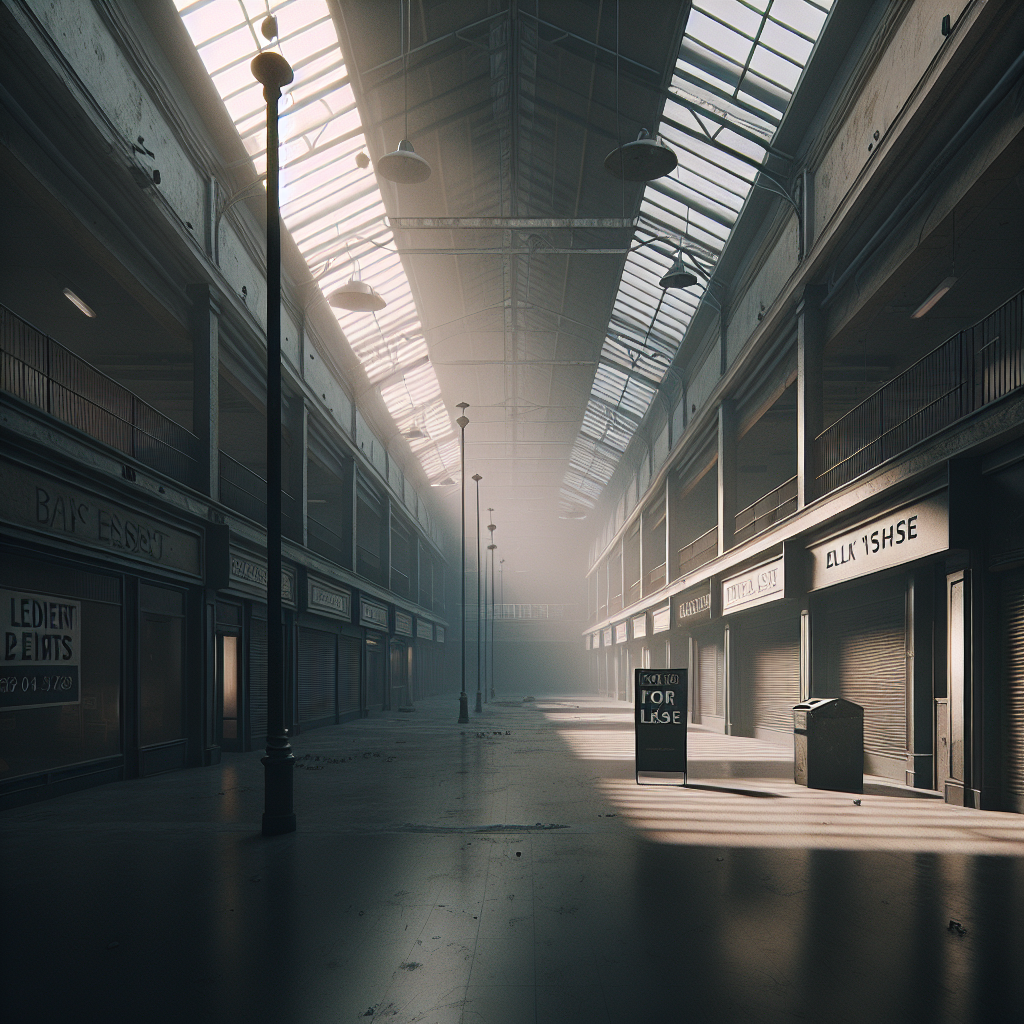
There is also a broader civic question. The decline of a shopping centre can affect confidence in a town centre or local district more widely. Empty units and reduced footfall do not just change where people shop; they can alter how safe, active and connected an area feels. For nearby businesses that rely on passing trade, the impact can spread quickly.
Why this story matters
This story matters because it speaks to a challenge many communities are facing: how to preserve useful, accessible local spaces in a retail economy that is changing rapidly. While major chains and online platforms dominate national headlines, the slow erosion of local shopping hubs can have a more immediate effect on daily life.
The lack of clear communication reported by business owners is also significant. In periods of uncertainty, traders need timely information to make decisions about staffing, stock and investment. Communities, too, deserve transparency when a site with such a long history may be approaching a turning point.
Whether The Lochs can be protected, repurposed or revived remains unclear. But the anxiety surrounding its future underlines a larger truth: once a community shopping centre is lost, the social and economic role it played is not easily rebuilt. For the businesses inside and the residents who have used it for decades, what happens next will matter greatly.