


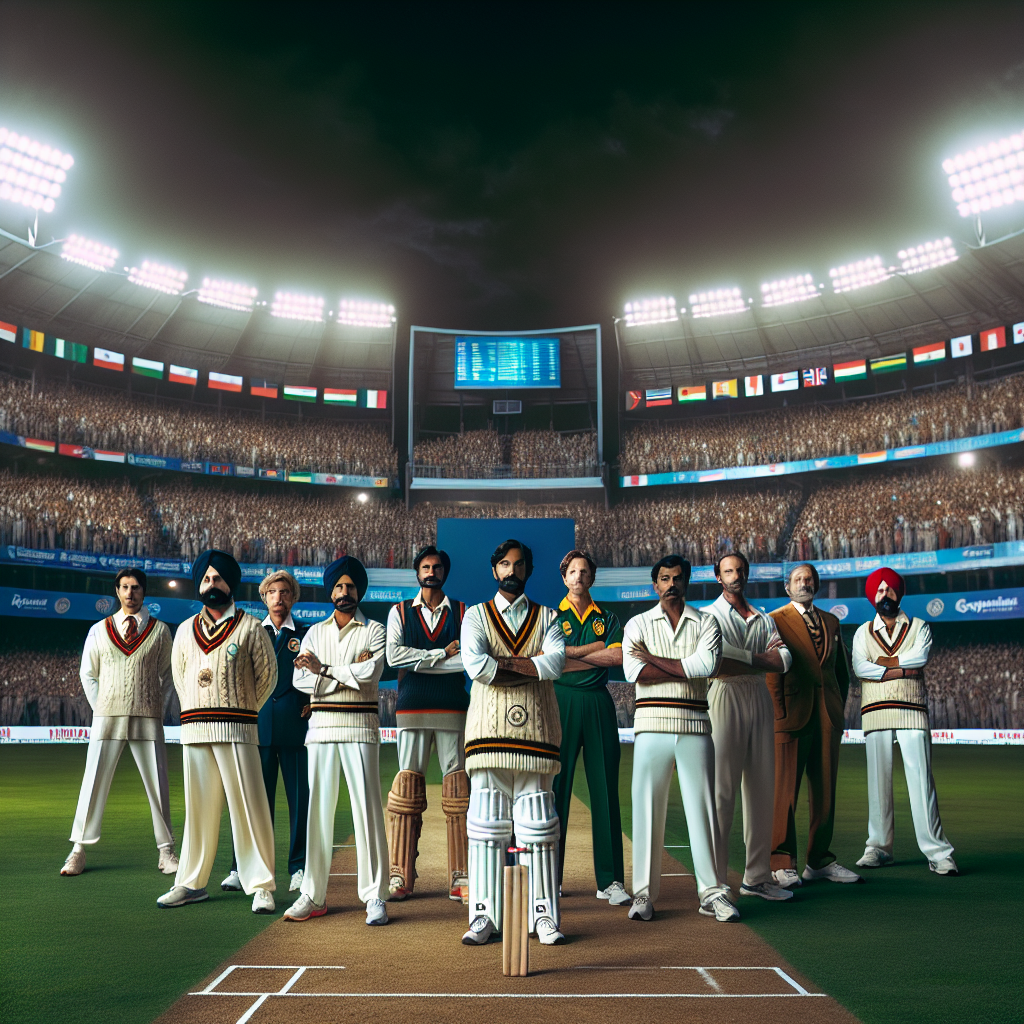
The International Masters League is preparing for a high-profile return, with its second season scheduled from 24 October to 14 November 2026. The tournament will once again feature six franchise teams representing India, Australia, South Africa, West Indies, England, and Sri Lanka, with matches to be played across Mumbai, Vadodara, and Visakhapatnam. For cricket followers, the announcement signals more than just another competition on the calendar. It marks the continuation of a format built around nostalgia, star power, and the enduring appeal of some of the sport’s most celebrated names.
The idea behind a league of former greats is straightforward but powerful: cricket has always had a long memory. Fans do not easily forget the batters, bowlers, captains, and all-rounders who defined eras, shaped rivalries, and created moments that became part of sporting folklore. A competition such as the International Masters League taps directly into that emotional connection, giving supporters a chance to see familiar figures return to the field in a structured, competitive environment.
A format rooted in cricket’s rich past
Legends leagues are not entirely new to the sport. Over the years, cricket boards, private organizers, and exhibition events have all recognized that retired international players still command attention long after their peak playing days. What makes these tournaments work is the simple truth that cricket, unlike some faster-moving sports, places enormous cultural value on legacy. The game’s past is constantly discussed in debates over all-time elevens, memorable series, and iconic rivalries. Bringing retired stars together in one tournament turns that conversation into a live spectacle.
The International Masters League builds on that tradition by assembling teams linked to major cricketing nations. That structure matters. It allows fans to reconnect not just with individual players, but with entire cricketing identities: India’s deep emotional connection to the game, Australia’s competitive edge, the flair of the West Indies, the resilience of South Africa, England’s historic place in cricket’s development, and Sri Lanka’s proud legacy in the modern era. Even in a masters format, those associations carry weight.
Why the second season matters
A second edition is often the real test for any sporting property. Launches can generate curiosity, but follow-up seasons show whether a tournament has enough audience interest and organizational backing to become a recurring event. In that sense, the return of the International Masters League suggests there is confidence in the concept and in the fan base it hopes to serve.
Hosting the matches in Indian venues is also significant. India remains the commercial center of world cricket, and its cities provide both large audiences and a vibrant match-day atmosphere. Mumbai in particular carries enormous symbolic value as one of the game’s most influential hubs, while Vadodara and Visakhapatnam broaden the event’s reach beyond a single metropolitan market. That geographic spread can help the league connect with different layers of India’s cricket audience, from lifelong traditionalists to younger fans curious to see the stars they have mostly encountered through highlights and historical retellings.
The broader appeal of cricket nostalgia
Part of the tournament’s attraction lies in the way it bridges generations. Older supporters get to relive memories tied to careers they followed in real time. Younger viewers, meanwhile, get a more immediate sense of why certain players are still spoken about with such reverence. In an age of short attention spans and constant sporting churn, that kind of cross-generational connection is valuable. It keeps cricket’s history visible and relevant.
There is also a broader commercial and cultural dimension. Events featuring retired legends can strengthen fan engagement during periods outside the main international schedule, create fresh sponsorship opportunities, and reinforce the visibility of the sport in key markets. For host cities, such tournaments can add to the local sports calendar and generate activity around major venues, even if the scale differs from marquee international tours or major franchise leagues.
More than a novelty event
What will determine the league’s long-term standing is whether it can balance nostalgia with genuine competitive credibility. Fans may initially come for the names, but sustained interest depends on quality organization, strong presentation, and matches that feel meaningful rather than purely ceremonial. If the International Masters League can deliver that mix again in 2026, it may strengthen its place in cricket’s expanding ecosystem of global events.
For readers, this story matters because it reflects something fundamental about modern sport: great athletes rarely disappear from public imagination when their official careers end. Cricket, perhaps more than most games, thrives on memory. The return of the International Masters League shows that those memories remain marketable, emotionally resonant, and capable of filling stadiums. Season 2 is therefore not just a reunion of familiar names, but another reminder that in cricket, the past never feels very far away.