


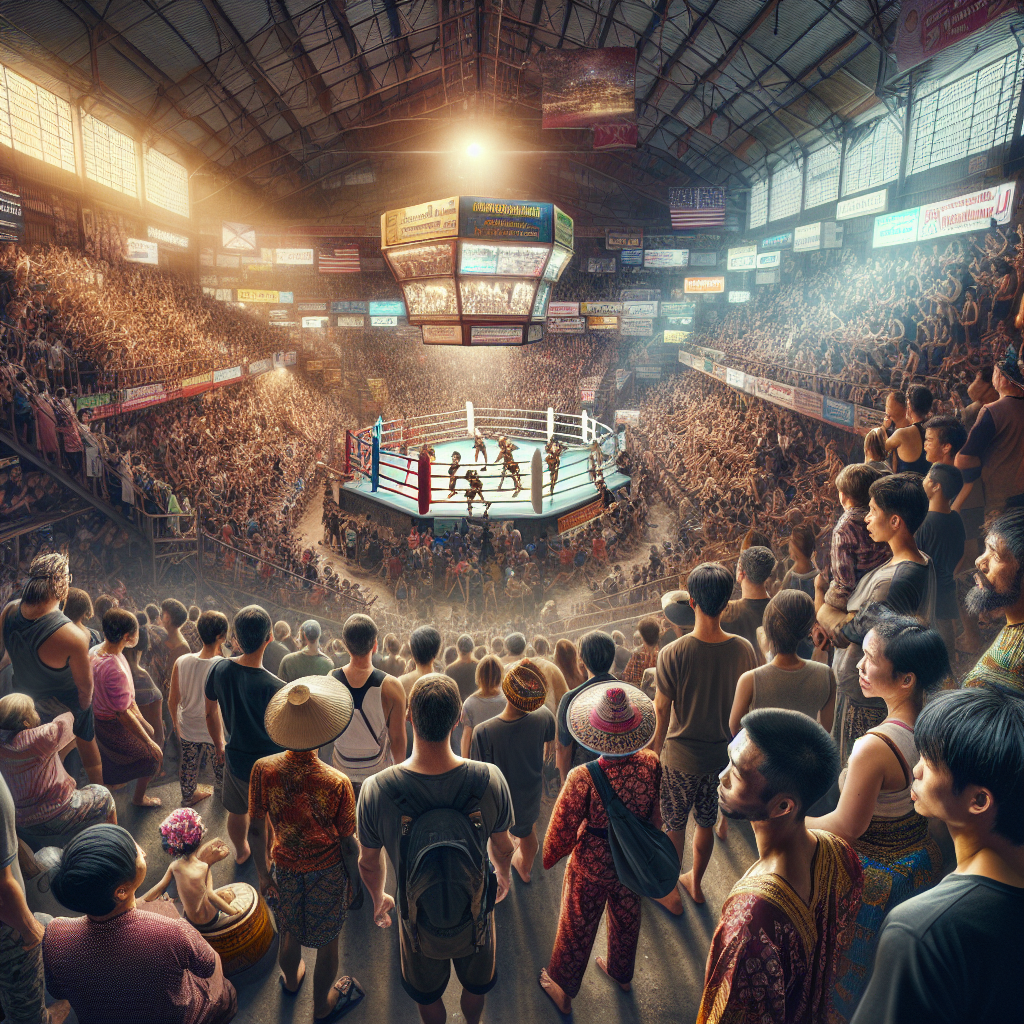
Watching live sport is no longer just the domain of diehard supporters planning pilgrimages to major finals or historic rivalries. Increasingly, travelers who may not even consider themselves serious fans are weaving sporting events into their holidays, drawn less by standings and statistics than by atmosphere, spectacle and a sense of place. From Muay Thai bouts in Thailand to ice hockey in Canada, live sport is becoming another way to experience a destination, much like food, music or museums.
The shift reflects a broader evolution in tourism. Travelers have long sought out cultural experiences that feel authentic and communal, and sports offer both in concentrated form. A packed arena, a neighborhood stadium or a traditional fight venue can reveal local rituals, social habits and even national identity in ways that formal sightseeing often cannot. The source material notes that nearly 40% of people have shown interest in sports-related travel, underscoring how mainstream this behavior has become beyond the world of mega fans.
From niche fandom to mainstream travel planning
Sports tourism is not new. For decades, supporters have crossed borders for football tournaments, Olympic Games, boxing title fights and cricket series. But historically, that kind of travel was driven by allegiance: fans followed teams, athletes or competitions they already cared deeply about. What is changing now is the profile of the traveler. Casual observers and even non-followers are attending events simply because they promise energy, entertainment and a memorable local experience.
That change mirrors the rise of experience-led travel more generally. In the age of social media and personalized itineraries, many tourists want stories they can tell, and live sport provides exactly that. Even if the rules are unfamiliar, the drama of a crowd reacting in real time can be easy to enjoy. A traveler may not understand every nuance of a hockey game or combat sport, but can still appreciate the speed, ceremony and emotion in the room.
Why destinations benefit
The trend has implications for tourism boards, local businesses and sports organizers. When visitors build trips around games, they spend not only on tickets but also on hotels, restaurants, transport and nearby attractions. Smaller venues and domestic leagues may benefit alongside global showcase events, especially if they are marketed as culturally distinctive experiences rather than specialist competitions.
This can help diversify local tourism economies. Cities that may not have a world-famous landmark can still attract visitors through a vibrant sporting culture. In some places, attending a match offers a window into local history, class identity or regional pride. That can be especially valuable in destinations seeking to spread tourism beyond peak seasons or traditional hotspots.
There are also cautions. As with other forms of tourism, rising demand can lead to higher prices, commercialization and pressure on local communities. Sporting traditions that developed organically for residents can be repackaged for visitors, sometimes losing part of what made them compelling in the first place. The challenge for destinations is to welcome newcomers without flattening the culture into a generic entertainment product.
Why it matters to readers
For travelers, the appeal is straightforward: live sport can offer a shortcut to belonging. It places visitors inside a shared emotional experience with locals, even if only for an evening. That can be more immersive than passively observing a city from a tour bus or guidebook. For non-fans, it may also remove some of the pressure often associated with sports culture. The point is not encyclopedic knowledge, but participation in the atmosphere.
The trend also says something larger about how people now define leisure. Travel is increasingly less about checking off landmarks and more about collecting moments that feel vivid and unrepeatable. A roaring crowd, a pre-match ritual, a neighborhood bar filling before kickoff or the theater of a fight night can become the highlight of a trip regardless of the final score.
As sports tourism broadens, the live event is being recast as a cultural attraction in its own right. That does not diminish the importance of the sport itself; rather, it expands its audience. For destinations, it is an opportunity. For travelers, it is a reminder that sometimes the best way to understand a place is to sit in the stands and watch what matters to the people who live there.