


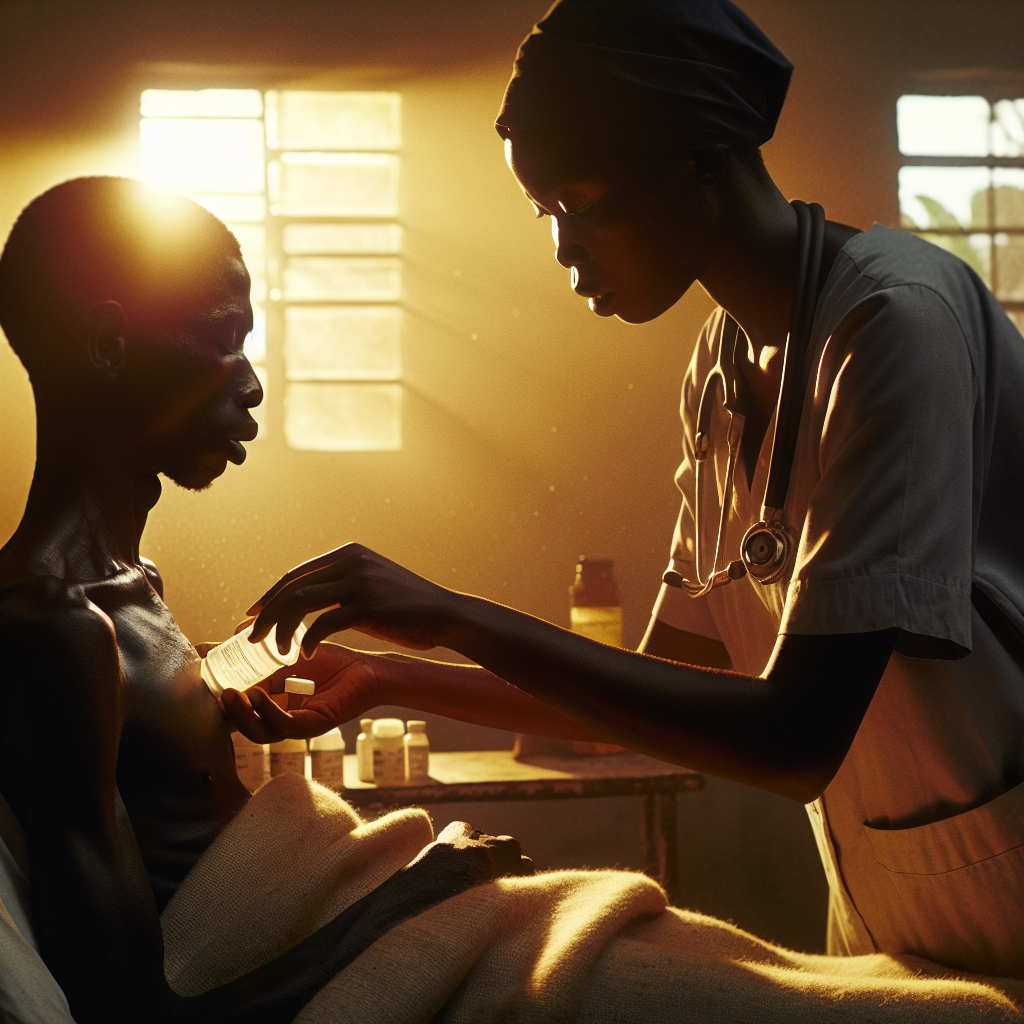
A groundbreaking new study from Africa is poised to fundamentally shift our understanding and approach to deadly sepsis, particularly among individuals living with HIV. The research reveals that tuberculosis (TB), often considered a separate public health challenge, is in fact a major and previously unrecognized driver of sepsis mortality in this vulnerable population. Crucially, the findings suggest a revolutionary intervention: beginning treatment for TB immediately, even before a definitive TB diagnosis is made in sepsis patients, could save countless lives across the continent.
The Unseen Threat: TB, HIV, and Sepsis
For decades, tuberculosis has plagued humanity, a persistent global health crisis with a particularly devastating impact in regions burdened by high rates of HIV. The co-epidemic of HIV and TB is well-documented, with HIV weakening the immune system and making individuals far more susceptible to developing active TB disease. Sepsis, meanwhile, is the body’s life-threatening response to an infection, leading to organ damage and often death if not treated rapidly. What this sweeping new study brings to light is the insidious link between these conditions: many sepsis cases among HIV-positive individuals, previously attributed to other bacterial infections, may in fact be covert manifestations of TB. The challenge has been that TB can be difficult to diagnose quickly, especially in severely ill patients presenting with sepsis symptoms, where rapid intervention is paramount.
A Paradigm Shift in Treatment Strategy
The implications of this research are profound, proposing a bold paradigm shift in clinical practice. The study advocates for initiating empiric TB treatment – meaning treatment based on strong suspicion rather than confirmed diagnosis – immediately upon presentation of sepsis in HIV-positive individuals, particularly in high-burden settings. This proactive approach acknowledges the high prevalence of undiagnosed TB in this demographic and the critical window for intervention in sepsis. By not waiting for lab confirmation, which can be slow and complex, healthcare providers could potentially intercept the progression of TB-driven sepsis, preventing irreversible organ damage and improving survival rates significantly. This is a testament to the power of understanding the underlying epidemiology of disease in specific contexts.
Global Implications and Local Impact
The findings resonate most acutely in sub-Saharan Africa, where the dual burden of HIV and TB is highest and healthcare systems often grapple with limited resources and diagnostic capabilities. Implementing such a strategy would require significant shifts in clinical guidelines, training for healthcare workers, and potentially adjustments in drug supply chains. However, the potential return on investment in human lives is immense. Globally, this research highlights the importance of re-evaluating diagnostic pathways for sepsis, especially in vulnerable populations, and underscores how interconnected various infectious diseases can be. It could influence international health policy and funding priorities, driving innovation in rapid diagnostic tests that could further refine this empiric treatment approach.
Why This Story Matters to You
This story matters not just to those directly affected by HIV, TB, or sepsis, but to everyone who believes in the advancement of public health and human dignity. It’s a stark reminder that even well-known diseases can hide unrecognized deadly roles, and that innovative thinking is crucial in the fight against illness. The ability to identify a silent killer and propose a simple, yet powerful, solution speaks to the ongoing global effort to improve health outcomes, particularly for the most vulnerable. It underscores the value of robust scientific inquiry that can challenge long-held assumptions and pave the way for interventions that could genuinely save countless lives, contributing to a healthier, more equitable world for all.
Ultimately, this sweeping new study offers a beacon of hope in the ongoing battle against infectious diseases. By recognizing TB as a primary, often hidden, driver of sepsis in HIV-positive individuals and advocating for early, presumptive treatment, the medical community stands on the brink of a major breakthrough. This proactive strategy promises to transform critical care, offering a vital lifeline to those most at risk and potentially averting a significant number of preventable deaths across Africa and beyond.