


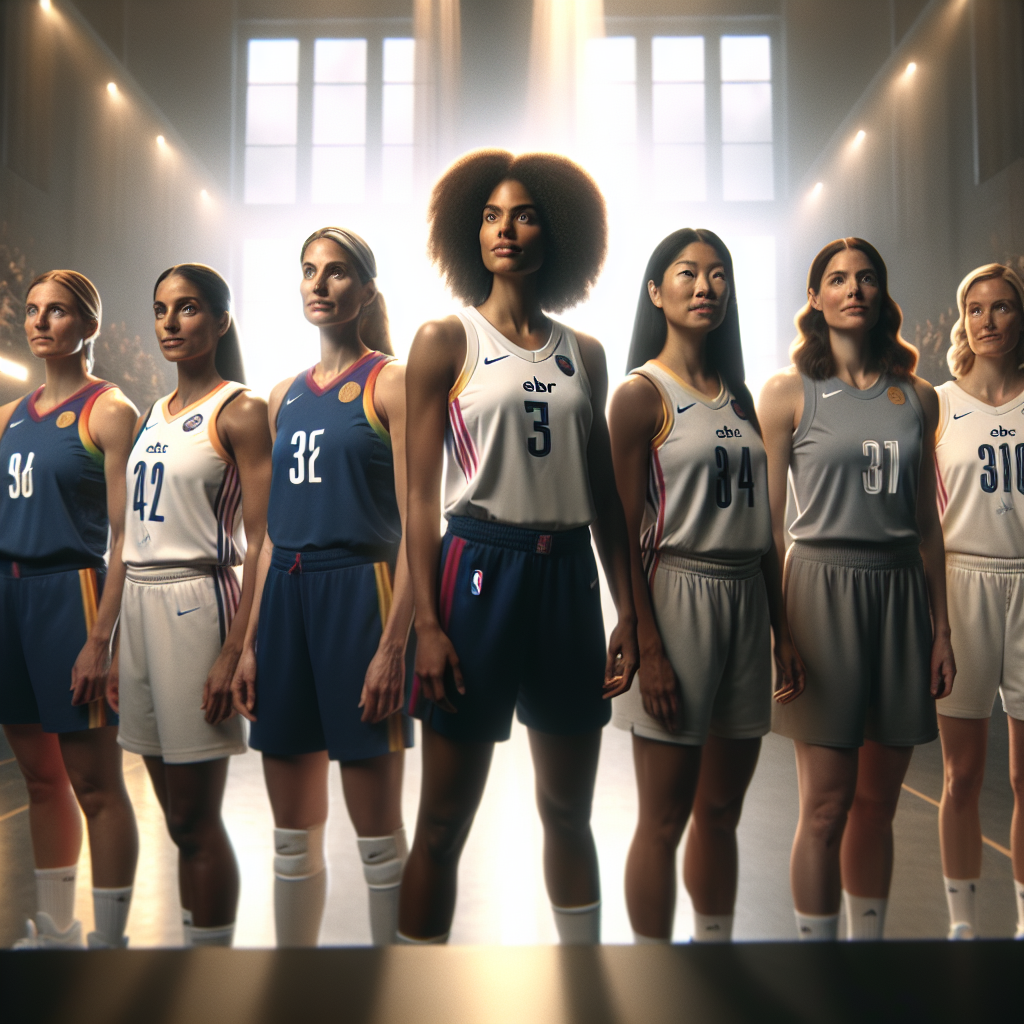
The WNBA and the Women’s National Basketball Players Association have reached a tentative seven-year collective bargaining agreement, a deal the two sides described as groundbreaking after months of difficult negotiations. At the center of the agreement is what has been presented as the first comprehensive revenue-sharing system in women’s professional sports, a major structural change that could allow players to benefit more directly from the league’s future financial growth.
While the full details were not immediately outlined in the source material, the significance of the agreement is clear. Collective bargaining deals shape how leagues operate for years at a time, covering issues such as player compensation, working conditions, benefits, scheduling, travel standards, and the broader balance of power between management and athletes. In the WNBA’s case, any long-term labor peace comes at a crucial moment, as women’s basketball continues to attract greater visibility, stronger television interest, and expanding commercial support.
A Turning Point in the Business of Women’s Basketball
The WNBA has spent years building toward this kind of moment. Since its launch in the late 1990s, the league has had to navigate questions about investment, exposure, media value, and long-term sustainability in a sports marketplace that historically undervalued women’s competition. Players have often been central to that push, advocating not only for higher pay but also for better travel arrangements, stronger health protections, family support, and a larger share of the value they help create.
Previous labor agreements helped move the league forward, but this new deal appears to go further by tying player opportunity more closely to league success. That matters because women’s sports have entered a new era in which audience demand is increasingly visible and commercially relevant. Sponsors, broadcasters, and investors are paying closer attention than they did even a few years ago. A revenue-sharing framework suggests recognition that growth should not benefit owners and league partners alone, but also the athletes whose performance and public appeal drive that momentum.
Why the Agreement Matters Beyond the WNBA
The implications of this agreement stretch well beyond one league. In global sports, labor deals often become reference points for future negotiations elsewhere. If the WNBA’s model proves durable, it could influence how other women’s leagues structure compensation and labor rights, from basketball and soccer to emerging professional circuits in other sports. The idea that women athletes should participate more directly in the economic upside of their leagues is likely to resonate far beyond the United States.
There is also a local and cultural dimension. For fans, a stable labor agreement helps preserve continuity, competitive quality, and trust in the league’s future. For younger athletes, especially girls considering professional careers, it sends a message that women’s basketball can offer not just visibility but improving professional standards. For cities with WNBA teams, the deal could support stronger community ties, deeper fan investment, and more confidence in the league as a growing sports property.
Why Readers Should Pay Attention
This story matters because it is about more than salary negotiations. It reflects a broader shift in how women’s sports are valued in public life and in the marketplace. For years, debates about women’s professional leagues often focused on limitations: limited coverage, limited resources, limited earning power. A comprehensive revenue-sharing system changes the tone of that conversation. It points toward a model based on growth, partnership, and long-term confidence.
It also arrives at a time when sports fans are increasingly aware of the business behind the games they watch. Media rights, sponsorship deals, labor standards, and league governance now shape the fan experience as much as the action on the court. A deal like this suggests the WNBA sees its future not as a niche product fighting for space, but as a maturing league with leverage, ambition, and rising economic significance.
The agreement remains tentative, but its symbolic weight is already substantial. If finalized, it could stand as one of the most important labor milestones in the history of women’s team sports, signaling that the next phase of the WNBA’s development will be defined not only by athletic excellence, but by a deeper recognition of the players’ role in building the business itself.