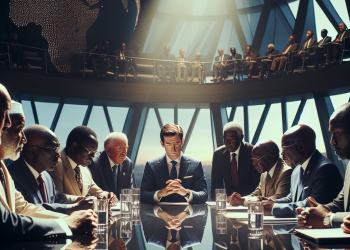



Nelson Mandela remains a towering figure in human history, an icon whose name is synonymous with freedom, justice, and moral courage. Beyond his monumental achievement in dismantling apartheid, Mandela championed a profound philosophy that continues to resonate globally: the essential fusion of a sharp mind with a compassionate heart. This wasn't merely a platitude; it was the guiding principle of his extraordinary life and the bedrock of his enduring legacy, offering timeless guidance for leaders and citizens alike.
The Core of Mandela's Philosophy: A Balanced Approach to Leadership
Mandela's belief in combining intellectual rigor with profound empathy was not just an abstract ideal; it was a practical framework for navigating immense challenges. He understood that true leadership demands both strategic brilliance—the "good head" capable of analyzing complex problems, formulating effective plans, and negotiating intricate political landscapes—and unwavering humanity—the "good heart" that fosters understanding, forgiveness, and a commitment to the well-being of all people. This dual emphasis allowed him to envision a future for South Africa where reconciliation triumphed over retribution, and justice was built on foundations of shared humanity.
Guiding South Africa Through Apartheid's End
The implementation of this philosophy was most vividly demonstrated during South Africa's perilous transition from apartheid. Facing a system built on racial oppression and violence, Mandela's leadership could easily have veered towards vengeance. Instead, even after decades of imprisonment and immense suffering, he emerged as an architect of peace. His "good head" enabled him to strategize with political acumen, engaging with former oppressors to forge a path towards a democratic future. Simultaneously, his "good heart" inspired the nation to embrace reconciliation, exemplified by the Truth and Reconciliation Commission, which sought healing rather than punitive justice, laying the groundwork for a more unified society. This balanced approach prevented further widespread conflict and set a precedent for peaceful resolution in deeply divided nations.
Global Implications and Enduring Relevance
Mandela's message extends far beyond the borders of South Africa, offering crucial lessons for contemporary global challenges. In an era marked by increasing polarization, complex humanitarian crises, and the rapid evolution of technology, the call for leaders and individuals to integrate wisdom with compassion has never been more pertinent. Whether addressing economic disparities, climate change, or social injustice, a purely intellectual approach risks overlooking human suffering, while an approach driven solely by emotion can lack strategic direction. Mandela's legacy underscores that sustainable progress and genuine societal transformation require both insightful analysis and heartfelt empathy. His life serves as a powerful reminder that the pursuit of justice and equality must always be tempered with understanding and a commitment to shared human dignity.
A Legacy for Tomorrow's Leaders
The profound impact of Nelson Mandela's philosophy continues to inspire new generations. His life's work demonstrated that leadership is not merely about wielding power, but about the moral courage to fuse intelligence with compassion in the service of humanity. This timeless principle encourages us all to cultivate both our intellectual capabilities and our capacity for empathy, fostering environments where thoughtful deliberation meets genuine care. As we navigate the complexities of the 21st century, Mandela's unwavering commitment to this balanced approach provides a powerful blueprint for building a more just, peaceful, and equitable world. His words, and indeed his entire existence, remain a beacon, reminding us that true strength lies in this delicate yet powerful equilibrium.