

Pilates, a century-old exercise method once associated with dance studios, physical therapy clinics and boutique fitness spaces, is having a major moment in the United States. According to the Sports and Fitness Industry Association’s 2025 report, Pilates is now the fastest-growing form of individual exercise in the country, with participation up by nearly 40% since 2019. That growth has also played out online, where Pilates videos, routines and lifestyle content have become a familiar part of social media feeds.
But as the workout has spread, so has a strange layer of cultural baggage. The current conversation around Pilates often seems to have less to do with posture, breathing or core strength than with identity, class and femininity. In the social media version of the trend, Pilates is frequently framed not simply as exercise, but as a marker of what kind of woman someone is, or wants to be.
That tension is at the center of a recent discussion from NPR’s It’s Been a Minute, in which host Brittany Luse spoke with New York Magazine features writer Madeline Leung Coleman about why Pilates has become such a charged subject. Their discussion points to a broader question that extends well beyond one workout: why does exercise so often become a cultural symbol rather than just a way to move the body?
A fitness method with a long history
Pilates is hardly a new invention. Developed roughly 100 years ago, the method emphasizes controlled movement, balance, flexibility, alignment and deep core engagement. Over time, it found devoted followings among dancers, athletes, rehabilitation specialists and everyday exercisers looking for low-impact strength training. Its durability is part of the point: Pilates has lasted because many people find it effective and adaptable.
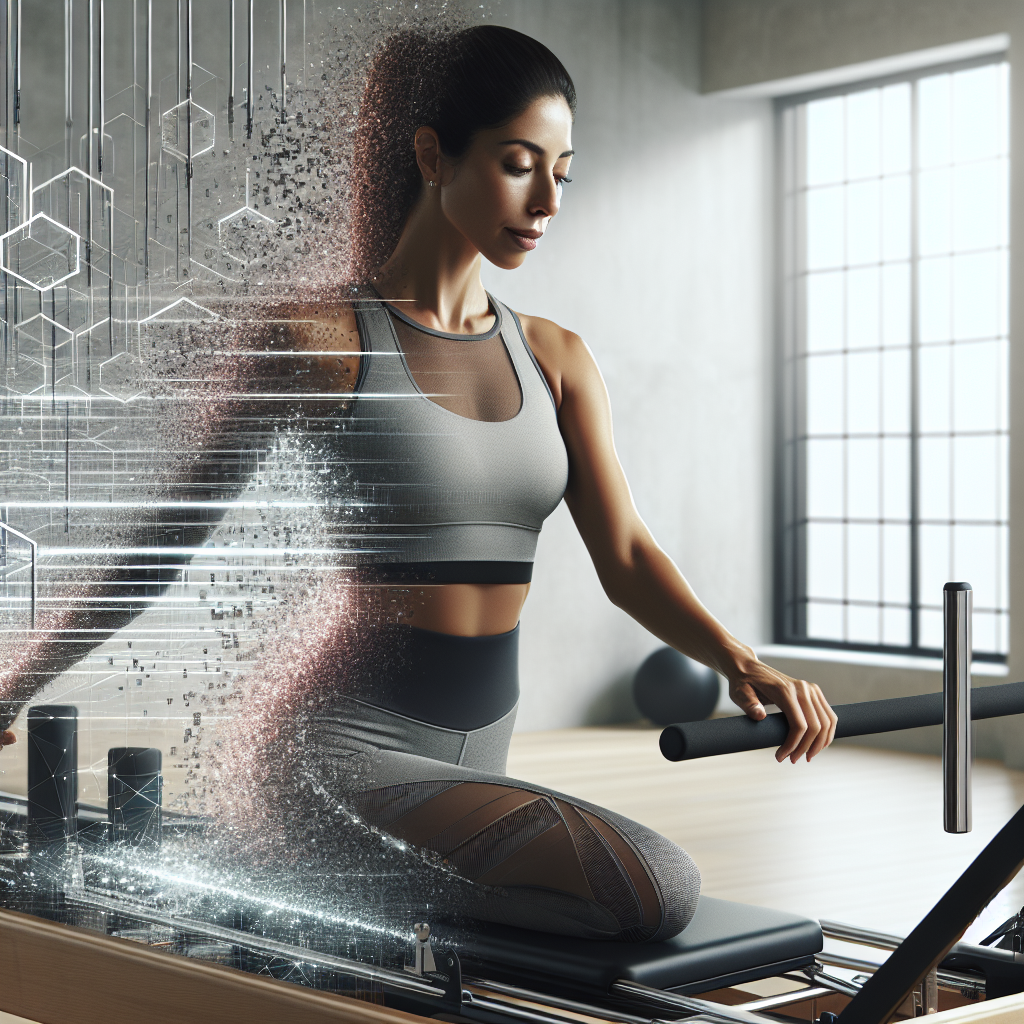
What is new is the scale and style of its public image. In the digital era, workouts are no longer experienced only in studios or gyms. They are packaged into aesthetics, routines and aspirational identities. A short video of a reformer class can double as a display of taste, discipline, leisure and even social status. That helps explain why some online conversations about Pilates can feel oddly loaded. The exercise itself may be accessible in many forms, but the imagery surrounding it often suggests exclusivity.
Why the discourse feels bigger than the workout
On social platforms, Pilates is commonly marketed through a narrow visual language: clean interiors, expensive activewear, wellness rituals and a heavily gendered sense of self-improvement. Although anyone can do Pilates, online content often presents it as something specifically for “girls,” and more specifically for a certain kind of girl. That framing can make a practical exercise method seem like a social signal.
That is where the backlash comes from. For critics, Pilates discourse can flatten women into stereotypes about body type, wealth, race, softness, discipline or desirability. For supporters, the mockery can feel equally revealing, turning a harmless workout into an object of suspicion simply because it is associated with femininity. In that sense, the argument around Pilates says as much about public attitudes toward women’s interests as it does about fitness.
What this means beyond social media
The implications are broader than one trend cycle. As fitness increasingly moves through influencers and algorithm-driven platforms, popular exercise styles can carry social meanings that shape who feels welcome and who feels excluded. That matters for public health as much as for culture. When workouts become coded by identity or status, people may avoid forms of movement that could genuinely benefit them.
The Pilates boom also reflects a wider global wellness economy, in which exercise is often sold alongside lifestyle branding. This is not unique to the United States. Around the world, fitness trends are increasingly wrapped in ideas about beauty, success and self-control. Social media accelerates that process by rewarding images and narratives that are easy to recognize and share.
Why the story resonates
For readers, the Pilates debate is really about something familiar: the pressure to perform a version of oneself online. Exercise should be one of the simplest forms of self-care, but it is often transformed into a referendum on morality, taste or belonging. The result is that even a stretching and strengthening routine can become part of a larger argument over who gets to occupy public space comfortably and without ridicule.
That may be the clearest lesson of the moment. Pilates is popular because many people enjoy it and find value in it. The odd politics surrounding it reveal less about the method than about the culture interpreting it. If there is a takeaway, it is a simple one: people should be able to work out without having their every movement turned into a statement about who they are.