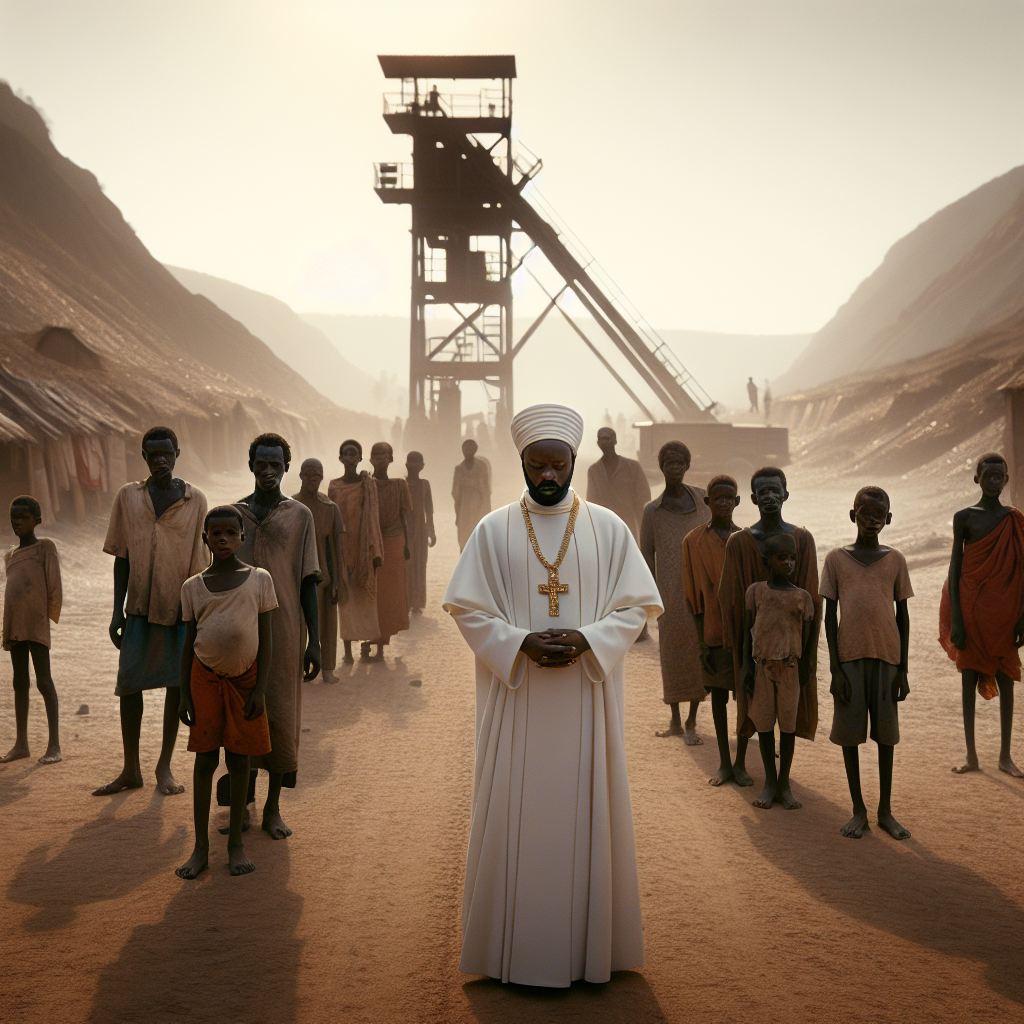
Pope Leo XIV traveled on Monday to Angola’s remote, diamond-rich northeast, extending a wider African tour that has increasingly focused attention on the gap between the country’s vast natural resources and the daily hardship faced by many of its people. The visit, part of an eight-day journey through four African nations, places the pontiff in a region that has long symbolized both Angola’s economic promise and the deep inequalities that continue to shape life across the country.
By heading to the northeast, the pope is not simply making a pastoral stop in a distant province. He is also entering an area whose mineral wealth has for decades carried national and international significance. Angola is one of Africa’s major oil producers and also a leading diamond source, yet that abundance has not translated evenly into living standards. The tension between wealth underground and poverty above it has become a defining feature of public debate in Angola, and it is one that church leaders have often addressed in moral terms.
A Region Rich in Resources, Yet Marked by Hardship
The country’s northeast is closely associated with diamond production, an industry that has helped shape Angola’s economy and global profile. But resource-rich regions across Africa frequently reveal a familiar contradiction: areas that generate immense value can remain underserved in infrastructure, healthcare, education, and employment opportunities. In Angola, those concerns are compounded by the legacy of conflict and the uneven development that followed.
For many readers, that contradiction is what makes the pope’s itinerary especially significant. A papal visit can elevate issues that local communities have lived with for years but that often receive limited sustained international attention. By traveling to a remote and economically symbolic part of Angola, Leo is drawing a line between spiritual witness and social reality, underscoring that poverty in a wealthy nation is not merely an economic challenge but also an ethical one.
The Historical Weight of Angola’s Inequality
Angola’s modern history helps explain why such a visit carries political and social resonance. The country emerged from Portuguese colonial rule in the mid-1970s and soon descended into a long civil war that devastated institutions, displaced populations, and slowed broad-based development. Even after the fighting ended, rebuilding has been uneven. Angola’s oil and diamond sectors generated major revenue, but wealth concentration, weak public services, and the high cost of living have remained persistent concerns.
The Catholic Church has long played an influential role across many African societies, including Angola, where religious institutions often serve not only as places of worship but also as providers of education, health services, and community support. In that context, a pope’s remarks on poverty can carry weight well beyond the Church itself. They may resonate with ordinary citizens, local clergy, civil society groups, and policymakers alike.
Why the Visit Matters Beyond Angola
Papal trips to Africa are often watched closely because they can shape global conversation on inequality, migration, governance, and the moral responsibilities tied to development. Angola’s diamond region is a particularly vivid setting for those themes. Around the world, resource-producing nations continue to wrestle with how to ensure that extraction benefits local populations rather than a narrow elite or foreign interests. The symbolism of a pope visiting such a place may therefore extend beyond Angola’s borders.
There is also a diplomatic dimension. Vatican visits do not operate like conventional political missions, but they can still influence national agendas by amplifying neglected social issues. A renewed spotlight on poverty in Angola could strengthen calls for more equitable investment, better local services, and greater scrutiny of how natural-resource wealth is distributed.
A Message Rooted in Visibility
At its core, this story matters because visibility matters. Remote regions often sit at the center of national wealth while remaining at the edge of national power. When a global religious figure chooses to go there, the act itself becomes part of the message. It suggests that development should be measured not only by exports or national income, but by whether communities have dignity, opportunity, and a fair share in the prosperity around them.
For Angola, the pope’s visit to the northeast is a reminder that the world is paying attention not just to what the country produces, but to how its people live. For international audiences, it is a familiar but urgent question: what does prosperity mean if it leaves too many behind?