


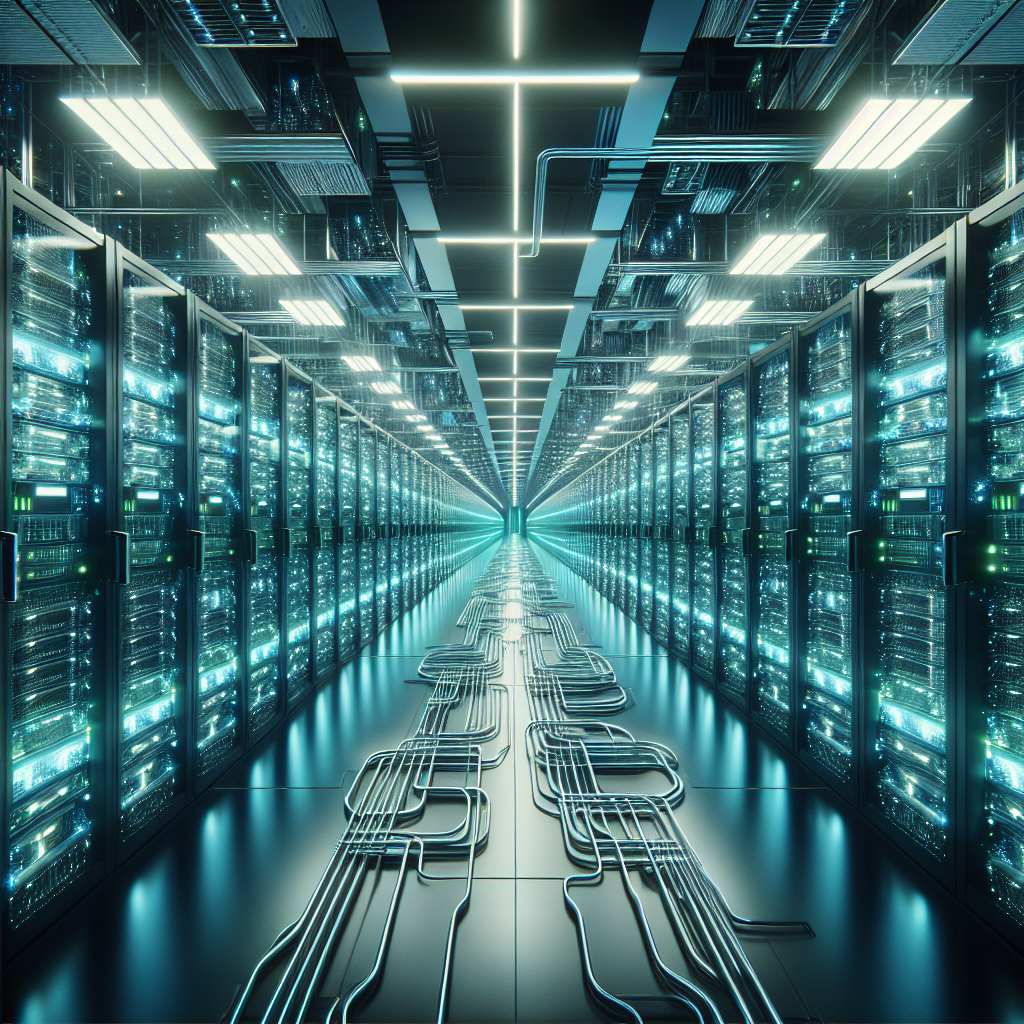
The rapid rise of artificial intelligence is reshaping not only the technology industry but also the global energy debate. As generative AI systems become more widely used, the data centres that train and run them are consuming ever larger amounts of electricity. That surge in demand is helping push nuclear energy back into the spotlight, with technology companies and nuclear startups increasingly exploring it as a dependable way to power the next wave of digital infrastructure.
The renewed attention comes as energy planners confront a basic problem: AI requires enormous computing power, and computing power requires constant, large-scale electricity. Unlike some other forms of industrial demand, data centres cannot easily tolerate interruptions. They need power around the clock, and they need it at a scale that is growing quickly. A Goldman Sachs report cited in the source material projects that data centre power demand could rise by 160% by 2030, underscoring why energy supply is becoming a strategic concern for the tech sector.
Why nuclear is back in the conversation
Nuclear power has long occupied a complicated place in public policy. For decades, it was promoted as a source of abundant electricity without the carbon emissions associated with coal and gas. But major accidents, high construction costs, waste disposal concerns and long project timelines slowed its momentum in many countries. In some regions, governments retired reactors or froze expansion plans, while wind, solar and natural gas grew more rapidly.
Now the equation is changing. Nuclear offers something that is especially attractive in the AI era: stable, always-available electricity generation. Solar and wind are central to the energy transition, but because their output depends on weather and time of day, they often need backup systems, storage or grid balancing support. Nuclear plants, by contrast, can provide continuous baseload power, making them appealing to companies seeking reliable energy for energy-hungry server farms.
This has opened the door for both established utilities and newer nuclear ventures to position themselves as partners to the technology industry. Interest has also grown around smaller and more flexible reactor designs, which advocates argue could eventually be deployed closer to industrial users or in places where traditional large reactors are harder to build. Even so, such technologies still face regulatory, financial and engineering hurdles before they can be rolled out at meaningful scale.
The global implications of AI-driven power demand
The implications extend far beyond Silicon Valley. If AI continues expanding across business, health care, finance, education and public services, electricity systems in many countries may come under increasing pressure. Governments will need to decide whether existing grids can absorb this new load, whether more generation should be built, and which sources can meet climate goals while preserving reliability.
For countries that already operate nuclear fleets, the AI boom could strengthen the case for extending plant lifespans or investing in upgrades. For those trying to cut emissions while supporting digital growth, nuclear may look more attractive than it did a decade ago. At the same time, regions without nuclear infrastructure may still prefer to lean on renewables, storage, gas or imported electricity, depending on economics and public opinion.
The local impact could be just as significant. Data centres are often major employers and tax contributors, but they can also strain local grids and water resources. Communities hosting them may increasingly ask where the power will come from and who will pay for the supporting infrastructure. That makes the energy choices of tech companies a public issue, not just a corporate one.
Why this matters now
This story matters because it shows how AI is reaching beyond software and into the physical foundations of the economy. The popular conversation around artificial intelligence often focuses on productivity, jobs and competition between tech firms. Less visible, but just as important, is the fact that AI depends on vast networks of chips, cooling systems, transmission lines and power plants. The future of AI may be shaped not only by better algorithms, but by whether enough electricity can be delivered affordably and cleanly.
That reality is forcing a new alignment between two industries that have not always moved in step: technology and energy. If demand keeps climbing, the debate over nuclear power is likely to intensify, not as an abstract climate policy question but as a practical answer to one of the defining infrastructure challenges of the AI age. In that sense, the revival of nuclear is not just about reactors. It is about who will power the digital economy, and at what cost.