


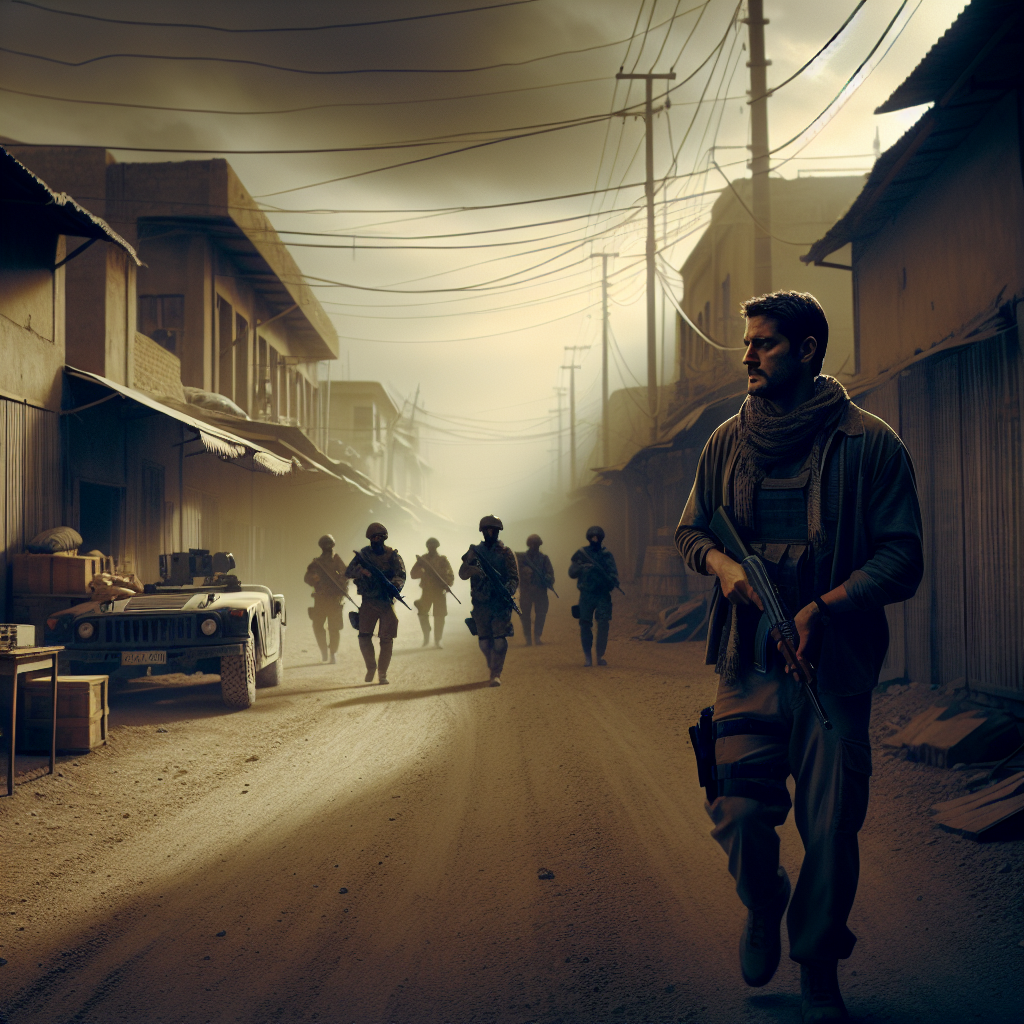
Myanmar’s military-backed government has moved to tighten its grip on the country by imposing martial law in 60 townships, a significant expansion of direct military authority in areas still affected by conflict and instability. The new emergency ordinances, issued by junta chief-turned-president Min Aung Hlaing, underscore how fragile security remains despite repeated claims by the authorities that they are steering the country toward stability and eventual elections.
The decision is a stark reminder that Myanmar’s political crisis is far from resolved. Martial law typically places broad powers in the hands of military commanders, often allowing them to oversee security, administration, and legal enforcement with limited civilian oversight. In practical terms, that can mean tighter movement controls, harsher punishments, expanded surveillance, and greater restrictions on daily life for people already living under the pressures of war, displacement, and economic hardship.
A Crisis Rooted in the 2021 Coup
Myanmar has been in turmoil since the military seized power in 2021, overthrowing the elected civilian government and detaining top political leaders. The coup triggered mass protests across the country, which were met with a violent crackdown. What began as urban demonstrations evolved into a broader armed resistance, drawing in long-established ethnic armed groups as well as newer anti-junta militias formed in response to military rule.
The result has been a nationwide conflict that differs sharply from Myanmar’s earlier pattern of localized civil wars. Fighting is no longer limited to the country’s borderlands. Instead, clashes have spread across multiple regions, placing pressure on the military in both rural and strategic areas. The junta’s latest move suggests that, despite its efforts to project control, it continues to face serious security challenges in many parts of the country.
Why the Expansion of Martial Law Matters
Expanding martial law is more than an administrative measure; it is a political signal. It shows the military leadership is prioritizing coercive control over reconciliation or dialogue. For residents of the affected townships, the announcement is likely to deepen fears of arrests, military operations, and disruptions to commerce, education, and healthcare. Communities in conflict zones often face roadblocks, communications blackouts, and shortages of essential goods, all of which can worsen under stricter security rule.
The move also raises further questions about the junta’s long-promised political roadmap. Myanmar’s military authorities have repeatedly presented emergency rule as temporary, yet each new extension or ordinance has reinforced the sense that exceptional measures are becoming entrenched. Imposing martial law on such a large scale may be seen by critics as evidence that the state lacks normal governing capacity in wide areas of the country.
Humanitarian and Regional Consequences
The implications go beyond domestic politics. Myanmar’s conflict has already triggered widespread displacement, economic contraction, and growing humanitarian need. Any further escalation in military control could drive more people from their homes and make it harder for aid groups to reach vulnerable populations. Humanitarian access in Myanmar has long been complicated by bureaucracy, insecurity, and damaged infrastructure, and stricter military administration may add another layer of difficulty.
The country’s instability also matters to its neighbors. Myanmar shares borders with major regional powers and key Southeast Asian states, and prolonged fighting can affect trade, migration, and border security. The crisis has tested regional diplomacy, especially within ASEAN, which has struggled to broker meaningful progress. For the wider international community, the latest move is likely to reinforce concerns that Myanmar is drifting further away from any negotiated political settlement.
What Readers Should Watch Next
This development matters because it offers a clear measure of where Myanmar stands: not in recovery, but in a deeper phase of militarized governance. Readers should watch whether the expanded martial law leads to intensified clashes, broader restrictions on civilians, or renewed international pressure. Just as important is whether resistance groups respond by escalating their own operations, which could prolong the cycle of conflict.
For ordinary people inside Myanmar, the headline is not only about legal authority. It is about how power is exercised in daily life: who controls the streets, who can move freely, and who bears the cost of a crisis with no clear end in sight. The widening of martial law to 60 townships signals that the military government still sees force as its central tool of rule, even as the country remains deeply divided and unstable.