

The debate over safer fireworks has returned to the spotlight after concerns were raised about the sound intensity of displays at Kerala’s Thrissur Pooram, one of India’s most famous temple festivals. According to the source material, noise levels at the event peaked at 122.4 decibels, close to the legal limit. That figure has renewed attention on the effects of high-decibel fireworks on people, animals and public spaces, and on whether visually striking but quieter alternatives can reduce risk without erasing tradition.
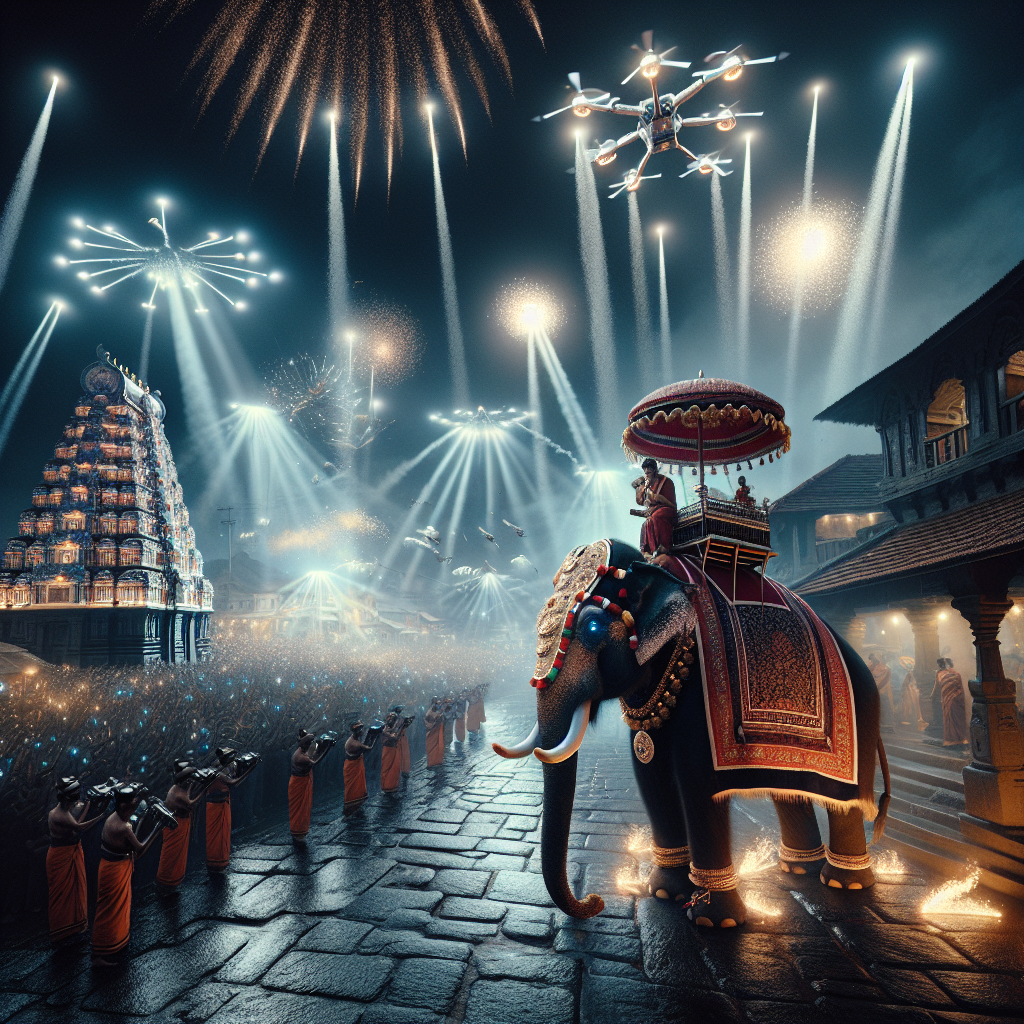
The issue is not only about sound. The source material points to a troubling incident from last year’s festival, when a decorated elephant, Uttoly Raman, became disoriented and ran amok, injuring 42 people. While festivals such as Thrissur Pooram are celebrated for their pageantry, percussion, elephants and fireworks, such episodes have intensified questions about how much stress loud pyrotechnics place on captive animals in crowded settings. Hospitals, infants and elderly residents living near display zones also enter the conversation whenever noise nears the upper legal threshold.
A long tradition under new scrutiny
Fireworks have deep roots in celebrations across the world, from religious festivals in South Asia to national holidays in Europe, the United States and East Asia. In India, they are woven into the cultural fabric of temple festivals, weddings and seasonal observances. At events like Thrissur Pooram, fireworks are not merely entertainment; they are part of the identity of the celebration itself. That is why any proposal to limit or redesign them can trigger strong emotions.
Yet public attitudes toward fireworks have been changing. Over the years, concern has grown over air pollution, accidental burns, fire hazards and the impact of noise on both humans and animals. In cities, where hospitals, schools and dense residential neighbourhoods often sit close to festival grounds, the tolerance for extremely loud fireworks is increasingly being tested against public health considerations.
Why noise matters
High-decibel bursts can have consequences well beyond momentary discomfort. Sudden explosive sound may trigger panic in animals, especially elephants, dogs and birds. For hospitals, loud nighttime displays can disrupt patients and complicate recovery environments. The source material also highlights concerns about infant brain development, a reminder that the effects of repeated intense noise are not evenly distributed across the population. The very young, the elderly and those with medical vulnerabilities are often at greater risk.
There is also a practical safety dimension. Traditional fireworks generate heat, smoke and fallout in addition to noise. In crowded festival settings, those factors can raise the chances of burns, stampedes or confusion during emergencies. When combined with large animals, temporary structures and massive crowds, the margin for error narrows considerably.
The case for quieter alternatives
Experts cited in the source material are urging a shift toward noiseless options such as cold spark technology. These systems are increasingly used at indoor events, concerts and weddings because they create a spark-like visual effect without the same level of explosive sound, smoke or burn risk associated with conventional fireworks. While they may not replicate every aspect of a traditional pyrotechnic show, they offer a model for festivals seeking spectacle with fewer hazards.
Other alternatives have emerged globally as well, including laser shows, drone light displays and low-noise pyrotechnics designed to reduce acoustic impact. Their adoption has often been driven by a mix of environmental rules, animal welfare concerns and urban safety planning. For local authorities and festival organisers, the challenge is to find an approach that respects cultural expectations while acknowledging modern standards of risk management.
Why this story matters
This debate matters because it sits at the intersection of tradition, public safety and technological change. It is not simply a question of whether fireworks should continue, but how they can evolve. As festivals become larger and cities denser, practices that once seemed manageable in a different era may require redesign.
What happens in Thrissur may resonate far beyond Kerala. If major cultural festivals begin experimenting with quieter, cleaner visual technologies, they could set a precedent for events across India and abroad. For readers, the significance is immediate: the story asks whether communities can preserve the emotional power of celebration while reducing preventable harm. In that sense, the discussion around safer fireworks is really about the future of public festivities themselves.