

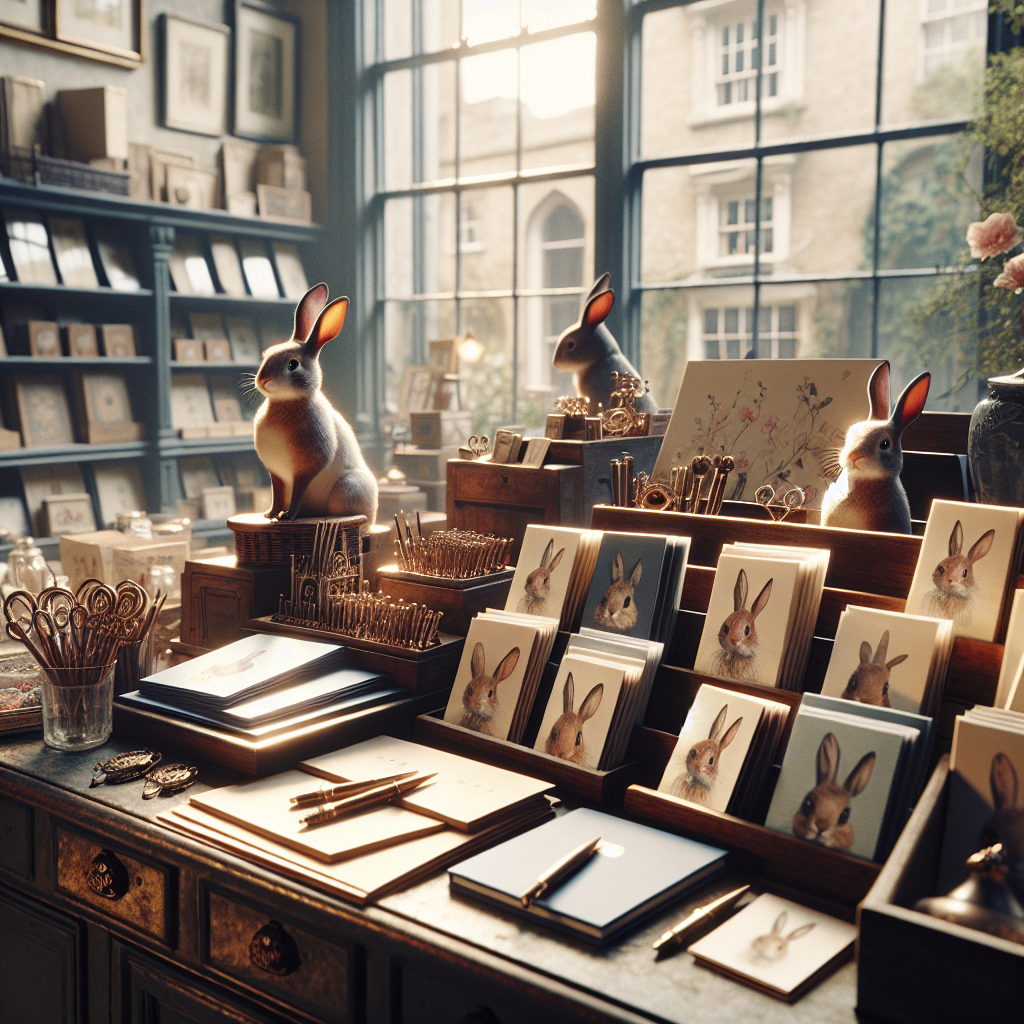
A new specialty retailer has joined the business mix in Soulard, adding a whimsical twist to one of St. Louis’ most recognizable neighborhoods. Clem & Co., a bunny-themed stationery business, opened last month at 1300 Sidney St., bringing paper goods, design-focused merchandise and a niche retail concept to an area better known for its historic architecture, nightlife and longstanding local character.
While the announcement is modest on its face, the arrival of a stationery shop is notable in an era when many consumers communicate digitally and large chains dominate much of the retail landscape. Independent paper goods stores occupy a distinctive corner of the market, serving shoppers who still value handwritten notes, physical planners, greeting cards and carefully designed desk accessories. By adding an animal-inspired brand identity to that mix, Clem & Co. is also tapping into another powerful force in modern retail: personality-driven shopping experiences.
Why a Stationery Store Still Matters
Stationery has a long history that stretches from formal letter writing and social correspondence to business record-keeping and personal organization. Even as email, texting and online calendars have transformed everyday communication, demand for printed paper products has not disappeared. Instead, the market has evolved. Today, stationery is often sold not simply as a practical necessity, but as a lifestyle product tied to creativity, self-expression and gift-giving.
That shift has helped small, highly branded businesses find room to compete. A themed shop such as Clem & Co. can appeal to customers looking for something more memorable than mass-produced office supplies. In many cities, shoppers increasingly seek out stores that offer a clear point of view, whether through handmade goods, unusual design, niche hobbies or playful aesthetics. A bunny-themed identity fits squarely within that trend, giving the store a visual signature that may resonate with both local residents and destination shoppers.
What It Means for Soulard
Soulard is one of St. Louis’ oldest and best-known neighborhoods, with a reputation built on historic homes, entertainment venues, restaurants and the famous public market nearby. New storefront openings matter in places like Soulard because they help shape how a neighborhood evolves. A specialty retailer can diversify the commercial environment, drawing foot traffic at different hours and attracting customers whose interests extend beyond food and nightlife.
For neighborhood business districts, that kind of variety is important. Local economies tend to be more resilient when they include a mix of retail, hospitality and service businesses rather than relying too heavily on one category. A stationery shop may be small, but it contributes to the broader ecosystem: nearby cafes, boutiques and other independent stores can all benefit when shoppers make a multi-stop visit. In that sense, even a niche opening can signal continued confidence in brick-and-mortar retail at the neighborhood level.
The Broader Retail Context
The opening also reflects a larger pattern in post-pandemic consumer behavior. Many shoppers have renewed interest in local businesses, especially ones that offer a sense of discovery or personal connection. Independent stores often succeed by creating experiences that online marketplaces cannot fully replicate, such as tactile browsing, curated displays and community-oriented branding. Paper goods, in particular, are products many customers prefer to see and touch before buying.
There is also a cultural dimension to the continued appeal of stationery. Journaling, scrapbooking, card writing and decorative planning have all maintained strong followings, fueled in part by social media and a broader interest in slow, intentional habits. A shop centered on these products can serve not just as a retail destination but as a marker of how analog practices continue to coexist with digital life.
Why Readers Should Pay Attention
For readers, stories like this are about more than a single storefront. They offer a window into how neighborhoods change, what kinds of businesses entrepreneurs believe can succeed and how consumer tastes continue to shift. A bunny-themed stationery shop may sound highly specific, but that specificity is part of what makes modern small business culture work. Distinctive concepts can stand out, build loyalty and give commercial corridors a sense of originality that chain-heavy districts often lack.
Clem & Co.’s opening at 1300 Sidney St. is, at minimum, a small but telling sign of ongoing investment in Soulard. It suggests that there is still room in St. Louis for independent retail built around charm, design and a clearly defined brand. For a historic neighborhood that thrives on local identity, that may be exactly the kind of addition that helps keep its business scene fresh.